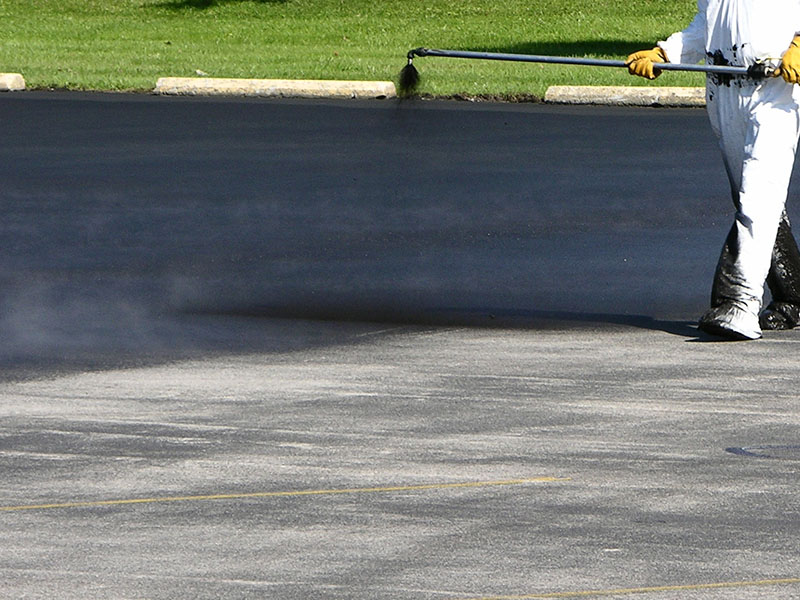
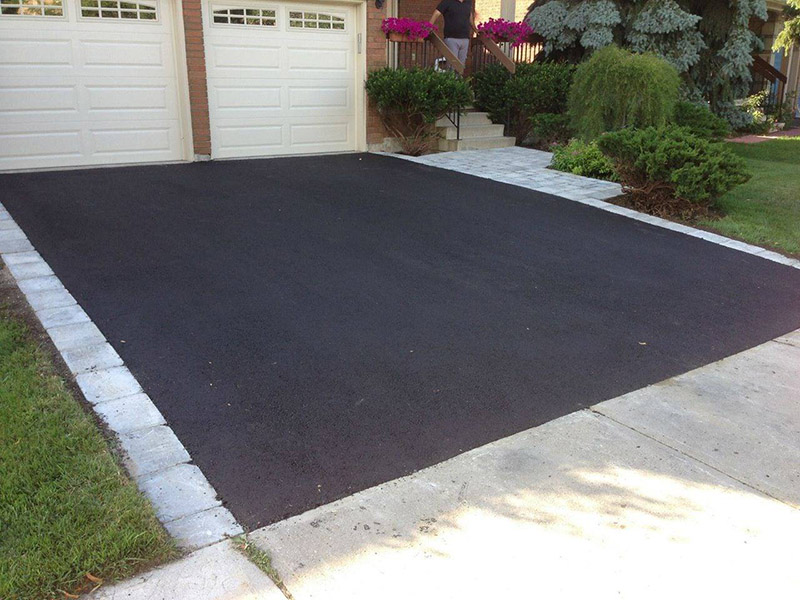
Selecting the right surface for your property is a significant decision that impacts your daily life, your maintenance budget, and your overall property value. Whether you are a homeowner looking to replace a cracked residential entrance or a commercial property manager overseeing a busy storefront, the best driveway material needs to withstand heavy vehicles and local weather conditions.
When searching for the best driveway material, you will find several popular options on the market. Each material comes with its own set of upfront costs, installation Timelines, and long-term care requirements. To make an informed investment, it helps to understand how different surfaces perform over time.
What Are the Most Common Types of Driveway Surfaces?
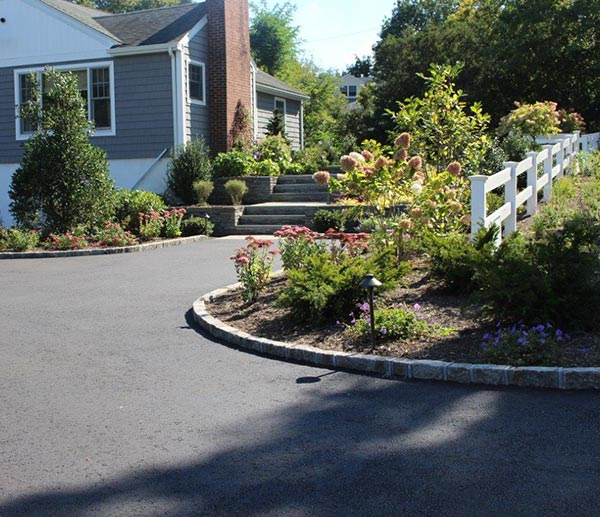 Property owners today have access to a wide variety of paving options. The most frequently installed driveways include options ranging from rustic loose aggregates to high-end interlocking units. Depending on the type of material you select, your choice will influence everything from how water drains off your property to how easily you can clear winter ice.
The traditional choices for a premium driveway surface typically fall into a few distinct categories:
- Asphalt Driveways: A flexible blacktop surface made from mineral aggregates bound by liquid asphalt cement, known for its smooth finish and resilience.
- Concrete Driveways: A rigid surface formed from a mix of water, aggregate, and cement that creates a light gray, reflective appearance.
- Decorative Options: High-end architectural choices like concrete pavers, specialized stamped concrete, traditional brick driveways, and premium natural stone.
- Loose Aggregates: Budget-friendly surfaces composed of gravel or crushed stone.
Best Driveway Material: Upfront Expenses vs. Long-Term Value
Budget is almost always a primary factor when planning a property upgrade. The initial investment for a new surface varies wildly based on the complexity of the installation and the availability of raw materials.
Premium decorative options, such as hand-laid natural stone or intricate brick driveways, are highly labor-intensive. These luxury installations typically cost anywhere from $15 to 30 per square foot, depending on the complexity of the design. Similarly, installing intricate interlocking concrete pavers or pouring custom stamped concrete can easily push project estimates up to $15 or 25 per square foot.
For mid-sized commercial properties and residential homes looking to maximize their return on investment, asphalt driveways offer an ideal middle ground. They deliver a premium, clean look that instantly boosts curb appeal at a fraction of the cost of complex masonry work, leaving more room in your budget for other property improvements.
Climate Performance: How Pavement Handles Pacific Northwest Weather
In the greater Portland and Vancouver areas, regional weather conditions play a massive role in the degradation of outdoor surfaces. Our rainy winters, damp springs, and occasional freezing temperatures put constant physical stress on outdoor infrastructure.
Rigid surfaces are highly susceptible to cracking during winter freeze-thaw cycles. Because they cannot flex, when the ground shifts underneath them due to moisture or temperature drops, they fracture.
Asphalt, on the other hand, is an inherently flexible material. It can expand and contract slightly with seasonal temperature changes without breaking its structural bonds. Furthermore, the dark color of asphalt naturally absorbs sunlight, causing snow and ice to melt rapidly. This makes the surface exceptionally easy to plow or shovel during sudden winter storms.
Maintenance and Lifespan: Keeping Your Investment Intact
Every permanent outdoor structure requires some level of attention to reach its maximum operational lifecycle. These driveways typically perform best when property owners stay ahead of minor wear and tear before it develops into structural damage.
What Does Standard Maintenance Involve? Regular maintenance for outdoor pavement includes sweeping away organic debris, applying protective sealants to shield the surface from UV rays, and addressing minor surface imperfections immediately.
| Material | Lifespan | Main Maintenance |
| Crushed Stone | 5–10 years | Grading and weeding |
| Asphalt | 20–30 years | Sealcoating every 3–5 years |
| Concrete | 20–30 years | Joint sealing and washing |
| Brick & Pavers | 25–40 years | Weeding and resetting loose pieces |
For an asphalt surface, keeping the pavement pristine is straightforward. Property owners should occasionally pressure wash the area to remove accumulated moss, dirt, and automotive fluids that can degrade the binding agents. When supported by professional sealcoating every three to five years, a properly installed asphalt surface will easily last well over 20 years, delivering exceptional, reliable performance over the long term.
Choosing the Best Driveway Material Frequently Asked Questions
 Can a commercial parking area use the same material as a residential driveway?
 Can a commercial parking area use the same material as a residential driveway?
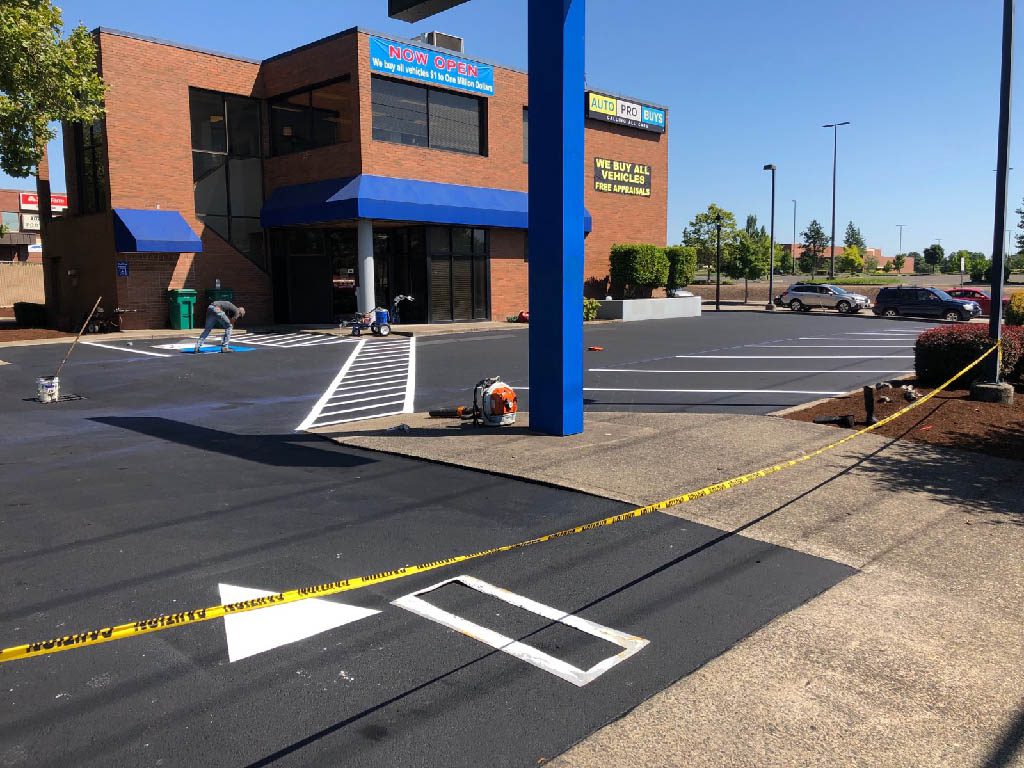
Yes, but the underlying structural design must be modified. Commercial surfaces must support significantly higher weight loads from delivery trucks, garbage services, and constant customer traffic. Commercial installations utilize a deeper, more robust rock sub-base and thicker layers of top material to prevent the surface from rutting or shifting under heavy commercial loads.
How does surface selection affect a property’s overall curb appeal?
The entrance to your home or business sets the tone for the entire property. A clean, dark, uniformly smooth surface provides a striking, modern contrast against green lawns and architectural landscaping. It creates an immediate impression of safety, cleanliness, and meticulous property management.
Is it possible to change the patterns and color of a dark driveway?
While traditional blacktop provides a classic, clean appearance, modern installation options allow for distinct visual customizations. Special striping, clear curbing, and integrated brick borders can be added to define walking paths, organize parking spaces, and complement the existing color palette of your home or business.
Why is a crushed stone base necessary under a solid driveway surface?
The stone base serves as the structural foundation. It distributes the weight of parked vehicles evenly across the soil and creates a vital drainage pathway. Without a solid stone base, water would pool directly beneath the surface, weakening the ground and causing the top layer to collapse, sag, or fail prematurely.
How soon can you drive a car onto a newly paved asphalt driveway?
For fresh hot-mix installations, it is best to keep vehicles off the surface for at least 24 to 48 hours to allow the material to cool and cure completely. During exceptionally hot summer weather, your installation team might recommend waiting an extra day to ensure the surface has fully hardened before being subjected to heavy vehicle turns.
Partner With Local Craftsmanship You Can Trust
When you invest in your property, you work with professionals who understand local conditions and bring decades of hands-on experience to the jobsite and know the best driveway material for the job.
William Stanley & Sons Paving is a third-generation, locally owned and operated business with over 30 years of dedicated paving experience in the greater Portland area. Our family legacy is built entirely on honesty, efficiency, and uncompromised craftsmanship. We treat your property with the absolute highest level of professionalism, ensuring your project is done right the first time.
Contact William Stanley & Sons Paving today to schedule a comprehensive on-site consultation and receive a transparent, competitive estimate for your next residential or commercial project.