How Green Paving Makes Asphalt Easier on the Planet
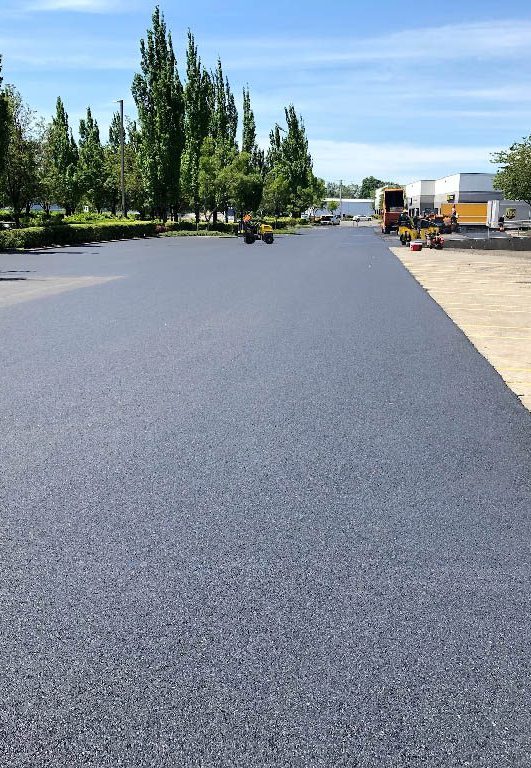
If you’re planning a new driveway or parking lot, you may have heard the term green paving and wondered what it actually means for your project. The good news is that asphalt is already one of the most environmentally friendly paving materials available, because it can be recycled again and again, produced at lower temperatures, and even designed to let rainwater soak through.
Here’s how green paving works and which options make sense for Portland properties.
What Is Green Paving?
Green paving is any approach that reduces waste, energy use, or stormwater runoff while still giving you a strong, long-lasting surface. With asphalt, it usually comes down to four things:
- Recycled asphalt: Old pavement is ground up and blended into a new asphalt mix.
- Warm mix asphalt: The mix is produced at lower temperatures, so the plant burns less fuel.
- Porous asphalt: A special mix lets rainwater drain through the surface and into the ground below.
- Longer-lasting pavement: Careful installation and regular maintenance mean you replace your asphalt less often.
Many projects combine several of these, depending on the property and budget.
Is Asphalt Really Recyclable?
Yes, and it’s actually the most recycled product in the country. When old asphalt is removed, it’s typically hauled to a plant, crushed, and blended back into new mix, which the industry calls reclaimed asphalt pavement, or RAP.
How Much Old Asphalt Gets Reused?
Almost all of it. According to a 2024 report from the National Asphalt Pavement Association (NAPA), nearly 100 percent of reclaimed asphalt was put back to use during the 2024 paving season, adding up to 101.4 million tons going into new pavement and other construction projects. NAPA also estimates that recycled materials saved about $4.7 billion that year and kept 72.5 million cubic yards of material out of landfills.
Does Recycled Asphalt Hold Up as Well as New?
When it’s mixed and installed correctly, it does. Plants test recycled blends to meet the same performance standards as all-new mixes, but results still depend on proper compaction. Our guide to the asphalt paving process step by step walks through what that looks like on a real job.
Is a “RAP Driveway” the Same as a Paved Driveway?
Not quite. A RAP driveway is loose, ground-up recycled asphalt spread like gravel, and while it’s inexpensive, it tends to shift and rut over time. A paved driveway made with recycled content gives you the environmental benefit without those headaches.
What Is Warm Mix Asphalt?
Warm mix uses special additives so asphalt can be produced and placed at lower temperatures. According to the Federal Highway Administration, it’s made 30 to 120 degrees Fahrenheit cooler than traditional hot mix, which typically reduces plant fuel consumption by about 20 percent and creates fewer fumes on the job site.
Why Does Warm Mix Matter in Oregon?
Asphalt that cools too fast on chilly days is harder to compact tightly. Because warm mix stays workable longer, it helps crews get dependable results during our cool, damp months, which is one reason we can pave year-round.
What Is Porous Asphalt?
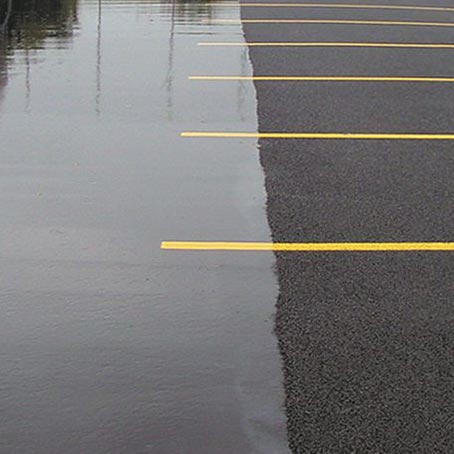
Porous asphalt, sometimes called permeable asphalt, looks a lot like regular asphalt on the surface, but it’s built with fewer fine particles, which leaves small open spaces that allow water to pass through. Rain drains into a stone bed underneath and gradually soaks into the soil instead of running off into the street.
In a rainy city like Portland, less runoff means less strain on storm drains and cleaner water reaching our rivers. Learn more about permeable asphalt paving.
Is Porous Asphalt a Good Fit for My Driveway?
For most homes, it usually isn’t the first thing we’d recommend, partly because porous asphalt looks so much like regular asphalt that a future owner might seal it or pave over it without realizing it’s designed to drain.
For homeowners, the more practical green choice is often a well-built asphalt driveway made with recycled content, combined with good drainage and regular maintenance.
Where Does Porous Asphalt Work Best?
It performs best on commercial parking lots, walking paths, and other large, fairly flat areas, especially when:
- The ground has several feet of clearance above the seasonal water table.
- The slope is gentle enough that water doesn’t simply run across the surface.
- Soil and mud from nearby landscaping won’t wash onto the pavement and clog it.
Can Porous Asphalt Lower a Portland Stormwater Bill?
It can for businesses. Portland’s Clean River Rewards program offers a discount of up to 35 percent on stormwater charges when you manage rainwater on your own property, and commercial properties can include runoff from paved areas. For residential properties, however, the discount is based only on roof runoff, so a porous driveway won’t change a homeowner’s bill.
Why Making Your Asphalt Last Is the Greenest Choice
 The most environmentally friendly pavement is the one you don’t have to replace, because every extra year of service means less new material, fewer truck trips, and less waste. Here’s what helps the most:
- Get the base right. Most early failures begin below the surface, and our post on a good asphalt paving job vs. a bad one explains what to watch for.
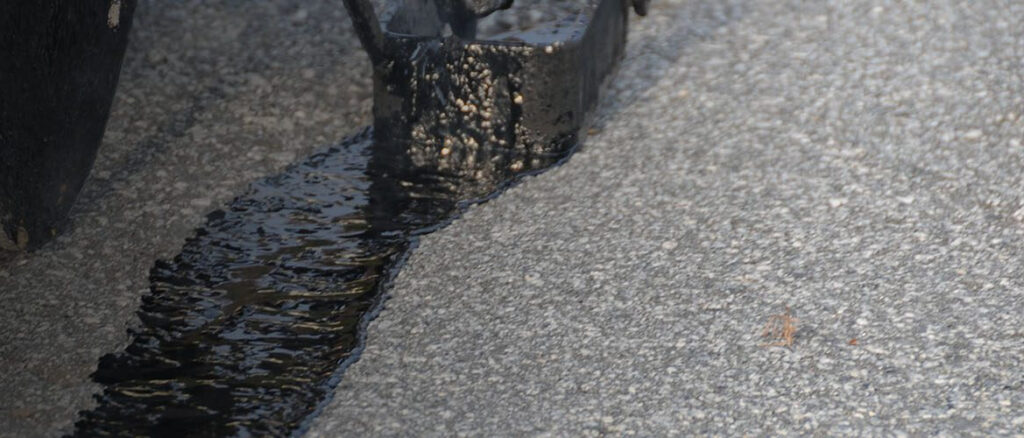
- Seal cracks early. Water that gets into cracks leads to potholes, especially through freeze and thaw cycles, and our asphalt repair team can stop small problems before they spread.
- Sealcoat on schedule. Sealcoating protects the surface from sun, rain, and oil, though you should never sealcoat porous asphalt because it will clog the openings.
- Resurface instead of replacing. If the base is still solid, asphalt resurfacing adds a fresh layer without tearing everything out.
What Should I Ask My Paving Contractor About Green Paving Options?
Before signing, ask these questions:
- Does your asphalt supplier use recycled asphalt in its mix?
- Is warm mix available for my project?
- Where does my old asphalt go after it’s removed?
- Would porous asphalt make sense for my property, or is there a better option?
- What maintenance plan will help my pavement last as long as possible?
A good contractor will give you honest answers and won’t push something your property doesn’t need.
Frequently Asked Questions About Green Paving
Is asphalt bad for the environment?
Not nearly as much as many people assume. Asphalt is the most recycled product in the U.S., nearly all removed asphalt gets reused, and newer methods like warm mix reduce fuel consumption and fumes.
Does green paving cost more?
Usually not. Recycled asphalt often costs the same as or less than all-new mix, while porous asphalt costs more up front because of its deep stone base but can reduce the need for other stormwater systems on commercial sites.
How long does recycled asphalt last?
When it’s properly installed and maintained, it should last as long as standard asphalt, which typically means 15 to 25 years for driveways and parking lots with regular crack sealing and sealcoating.
Can I sealcoat porous asphalt?
No, because sealcoating fills the tiny openings that allow water to drain through. Porous asphalt needs periodic sweeping or vacuuming instead to stay clear.
Is porous asphalt allowed in Portland?
Yes. The City of Portland’s stormwater regulations include permeable pavement as an approved way to manage runoff, although larger projects may require design review, so it’s smart to plan ahead.
Ready to Talk About Your Project?
William Stanley & Sons Paving has served Portland, Gresham, Lake Oswego, West Linn, Tigard, Hillsboro, Vancouver, WA, and surrounding communities for more than 30 years. As a third-generation family business, we’ll give you honest advice about what makes sense for your property and your budget.
Call us at 503-243-1274 or request a free estimate today.