Category

Driveway Paving

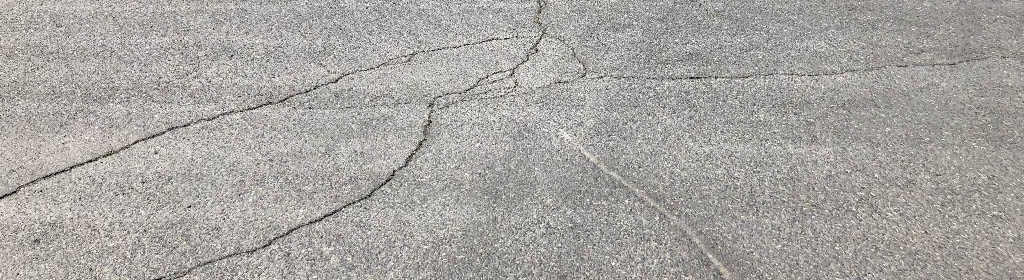
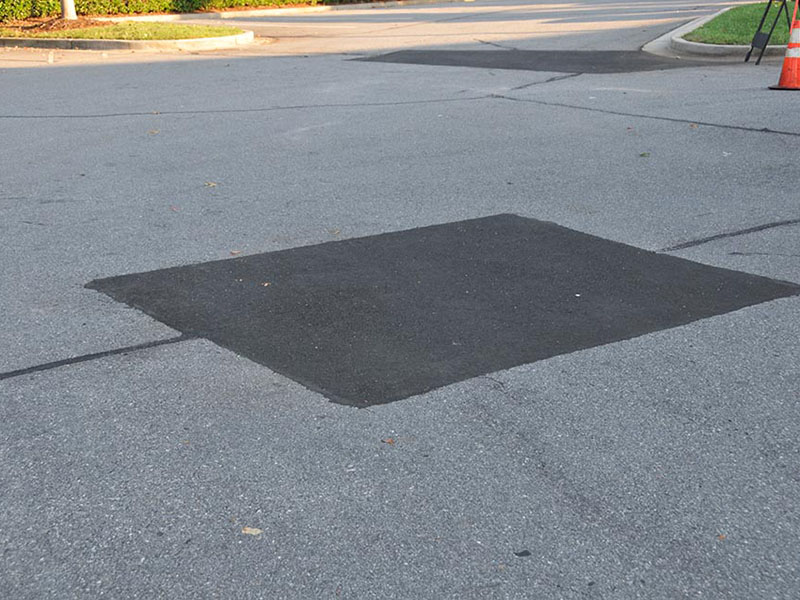
Cracks in an asphalt driveway to help illustrate fix driveway cracks.

How to Fix Driveway Cracks

By | Driveway Paving

A Complete Guide for Property Owners

A beautiful, smooth driveway is a major asset to any home or commercial property. It welcomes guests, provides a safe surface for vehicles, and adds immediate market value to your estate. However, over time, even the most expertly installed asphalt surfaces can develop small fractures. If you ignore these minor imperfections, they can quickly expand into deep potholes, leading to expensive structural failures. Learning how to fix driveway cracks early is the most cost-effective way to preserve your pavement investment.

Whether you are a homeowner managing a residential driveway or a commercial property manager overseeing a multi-family housing development, proactive maintenance is the key to extending the lifespan of your surface.

Why Do Driveway Cracks Form in the First Place?

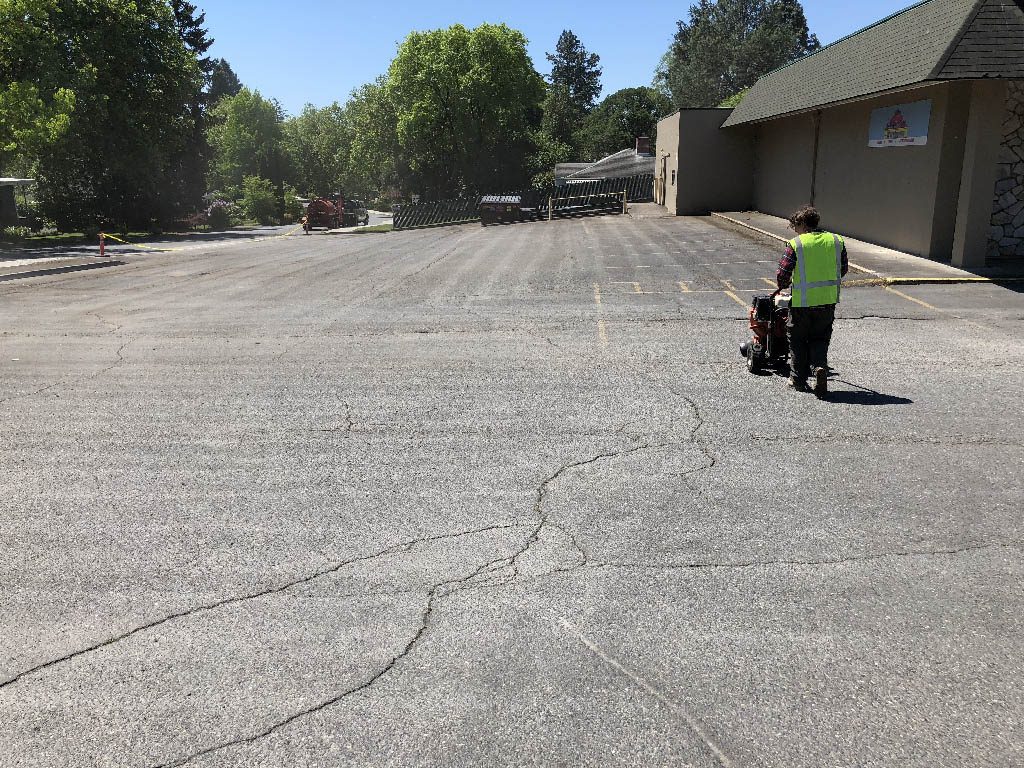
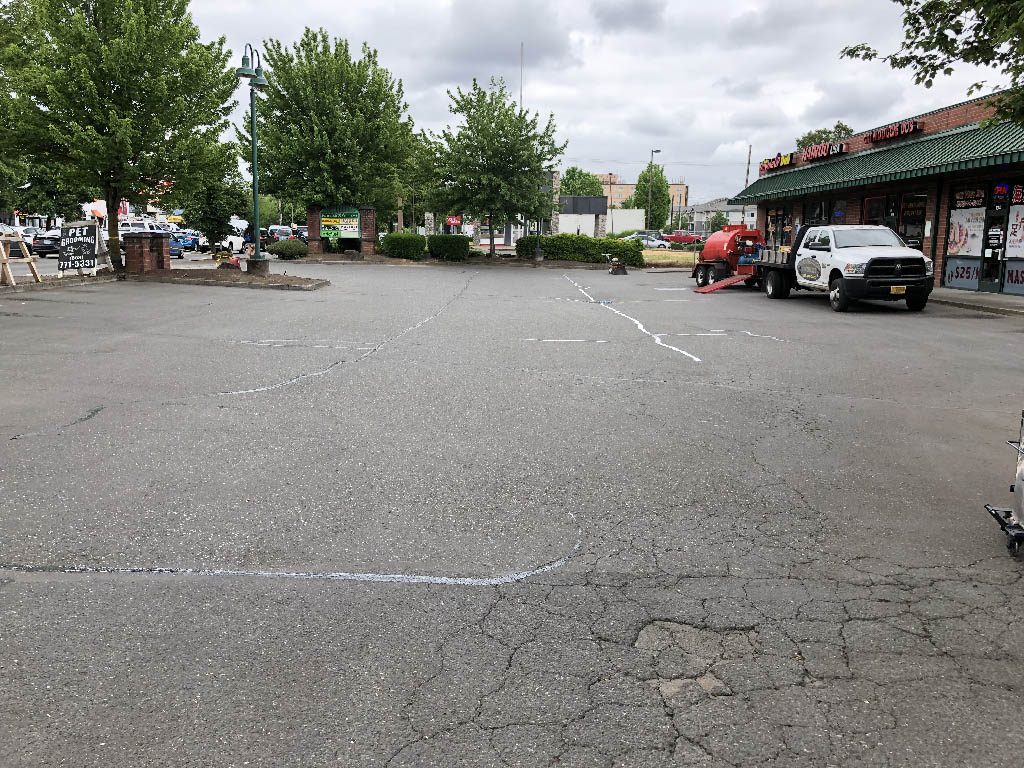
Parking lot with some cracked and crumbing asphalt to help illustrate fix driveway cracksUnderstanding what causes pavement damage helps you select the right method to repair it. Pavement is designed to be tough, but it is continuously exposed to heavy physical stress and shifting environmental conditions.
Several primary factors contribute to surface cracking:

  • Water Infiltration: Rainwater is the primary enemy of outdoor pavement. When water pools on the surface, it eventually finds tiny microscopic pores in the material and begins to seep downward.
  • The Freeze-Thaw Cycle: During colder months, water trapped beneath the surface freezes and expands. This upward pressure forces the pavement to lift and fracture. When the ice melts, it leaves an empty void beneath the surface, causing the pavement to sag and crack under weight.
  • Heavy Traffic Loads: Vehicles like delivery trucks, garbage services, and heavy equipment exert immense downward pressure on your driveway surface. If the underlying foundation is weak, this weight causes structural rutting and cracking.

Fix Driveway Cracks: The Hidden Risks of Delaying

It can be tempting to overlook a small, hairline fracture on your driveway surface, but minor blemishes rarely stay small for long. Treating crack repair as a low priority can jeopardize the structural integrity of your entire driveway base.

When a crack opens, it acts as a direct funnel for surface water to reach the underlying crushed stone foundation. Once this gravel base becomes saturated, it loses its ability to support weight. As cars drive over the weakened area, the asphalt flexes beyond its limit, breaking into a web of interconnected fractures known as alligator cracking.

Once your driveway reaches this stage, simple crack fillers will no longer work, and a full structural replacement or overlay is usually required.

How Professionals Safely and Effectively Fix Driveway Cracks

Fixing a driveway properly requires specialized preparation and heavy-duty materials. A lasting repair involves much more than simply pouring a retail patching compound over the visible damage. Professionals follow a rigorous process to ensure the patch bonds permanently with the existing pavement.

1. Deep Cleaning and Debris Extraction

The first and most critical step is removing all dirt, moss, loose rock, and organic debris from inside the crack. Professional crews utilize high-pressure air compressors and specialized wire-brush machines to scour the vertical walls of the fracture.

If any loose material or vegetation is left behind, the new sealant will adhere to the dirt rather than the pavement, causing the repair to peel away within a few months.

2. Moisture Eradication

Applying a repair compound to a damp crack is a guaranteed recipe for failure. Any residual moisture trapped inside the pavement will turn into water vapor when exposed to hot sealant or warm sunshine. This vapor creates air bubbles that destroy the adhesive bond.

Professionals use thermal lances to heat the crack, drying out the pavement completely while slightly warming the surrounding material to accept the patch.
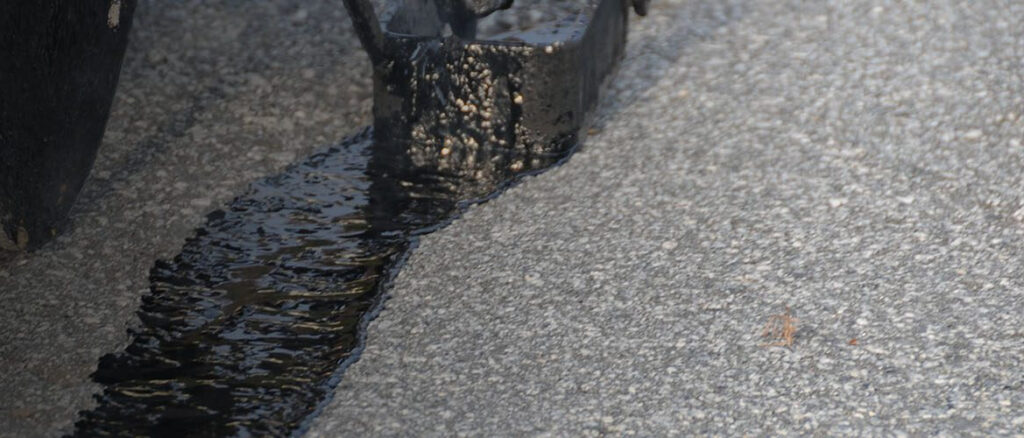
Closeup of fixing an asphalt driveway cracks with a thick black solution and heavy-duty brush.

3. Precision Hot-Pour Rubber Application

For deep, active cracks, commercial-grade hot-pour rubberized sealant provides the most resilient solution. Heated to over 350°F in a specialized melting kettle, this flexible rubber compound is injected directly into the cleaned fracture. The extreme heat causes the sealant to fuse directly with the walls of the pavement. As it cools, it remains highly flexible, allowing the repair to stretch and compress safely during seasonal temperature changes.

Residential vs. Commercial Crack Repair: Main Differences

While the core chemistry of fixing pavement remains consistent, the scale and approach shift significantly depending on the property type.

Detail Residential Driveways Commercial Parking Areas
Primary Traffic Type Light passenger cars and SUVs Delivery trucks, buses, heavy traffic
Common Crack Type Edge cracking from landscaping Fatigue cracking from heavy turning
Repair Window Flexible schedule Tight timelines to avoid business disruption
Primary Goal Maximize residential curb appeal Minimize legal liability and ensure safety

Commercial properties require heavy-duty maintenance strategies. Because a commercial parking lot handles constant turning movements from heavy vehicles, the sealant used must feature high track resistance to prevent it from smearing or tracking onto shoes and tires during hot summer days.

Fix Driveway Cracks Frequently Asked Questions

Can you fix a driveway crack that has grass growing out of it?

Yes, but you must completely kill and remove the vegetation first. Simply cutting the grass down is not enough, as the roots will continue to grow and rupture the new sealant. The crack must be treated with a commercial herbicide, cleared deeply with a mechanical wire brush, and blown clean before the repair material is applied.

What is the difference between cold-pour and hot-pour crack sealants?

Cold-pour sealants are liquid compounds typically sold in bottles at hardware stores. They are convenient for very small, DIY hairline touch-ups but remain relatively brittle once dry. Hot-pour sealants are industrial rubber blocks melted at extreme temperatures. Hot-pour compounds offer superior flexibility, stronger adhesion, and can withstand heavy vehicle traffic for many years without failing.

Is it possible to repair a driveway if it has turned into a pothole?

Yes. Potholes require a different repair process known as asphalt patching. The damaged, crumbling area must be cleanly cut out down to the stone base. Fresh, hot-mix material is then installed into the void and compacted flush with the surrounding driveway using a heavy vibratory roller or plate compactor.

How long does a typical driveway crack repair last?

A high-quality, professional hot-pour crack repair will typically last between three to five years. The exact lifespan depends on the condition of your underlying foundation, local traffic loads, and how frequently you apply a protective sealcoat to the entire surface.

When is a driveway too damaged to fix with simple crack sealing?

If your driveway exhibits extensive alligator cracking—meaning the surface resembles the scales of an alligator with multiple interconnecting fractures—crack sealing will no longer preserve the surface. This pattern indicates that the underlying stone base has failed completely. At this stage, the area must be removed and replaced to restore structural safety.

Secure Your Property Infrastructure With Third-Generation Experts

When it comes to protecting your property value, working with an experienced team ensures your repairs last for the long term.

William Stanley & Sons Paving is a third-generation, locally owned and operated company with more than 30 years of dedicated pavement experience in the greater Portland region. Serving communities across Gresham, Lake Oswego, West Linn, Tigard, Hillsboro, and Vancouver, WA, our family legacy is rooted in unmatched efficiency, honesty, and professional craftsmanship. We take great pride in delivering lasting, budget-friendly solutions that keep your home or business safe, accessible, and looking its best.

Don’t let minor surface fractures turn into expensive structural failures. Contact William Stanley & Sons Paving today for a competitive estimate for your driveway repair needs.

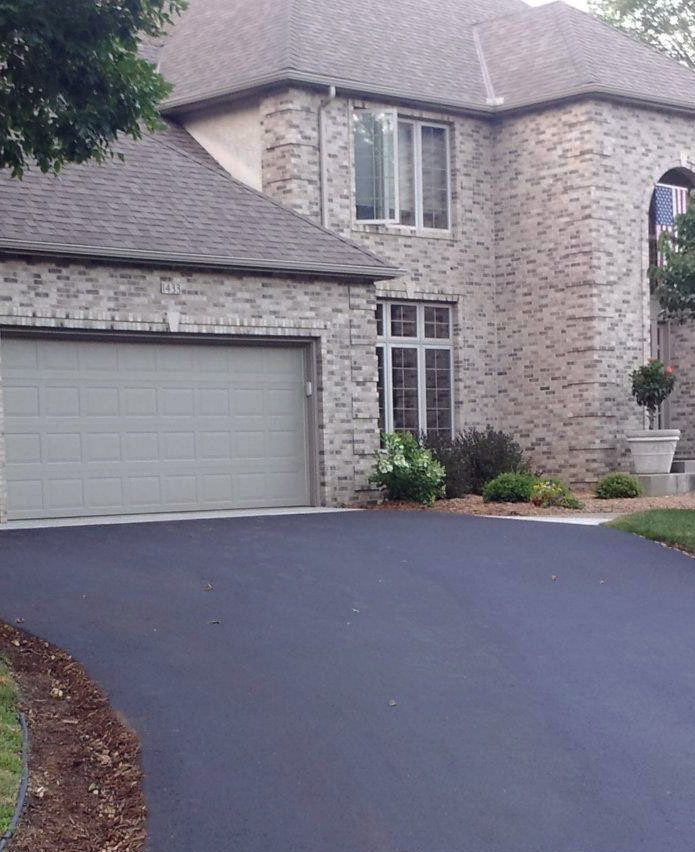
Example of a newly paved alphalt driveway to help illustrate asphalt resurfacing and best driveway material.

Choosing the Best Driveway Material

By | Driveway Paving

Selecting the right surface for your property is a significant decision that impacts your daily life, your maintenance budget, and your overall property value. Whether you are a homeowner looking to replace a cracked residential entrance or a commercial property manager overseeing a busy storefront, the best driveway material needs to withstand heavy vehicles and local weather conditions.

When searching for the best driveway material, you will find several popular options on the market. Each material comes with its own set of upfront costs, installation Timelines, and long-term care requirements. To make an informed investment, it helps to understand how different surfaces perform over time.

What Are the Most Common Types of Driveway Surfaces?

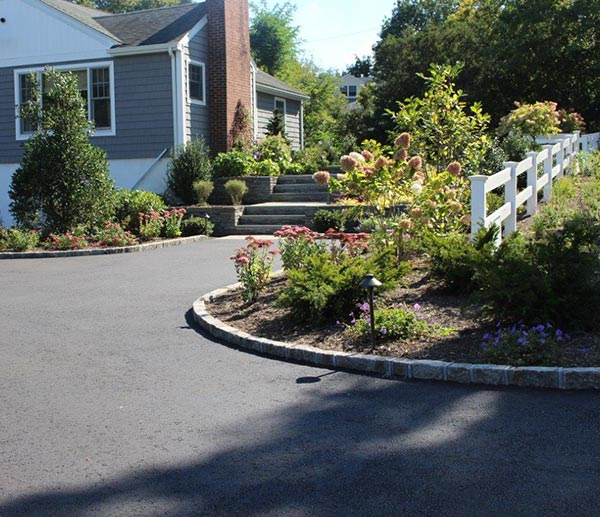
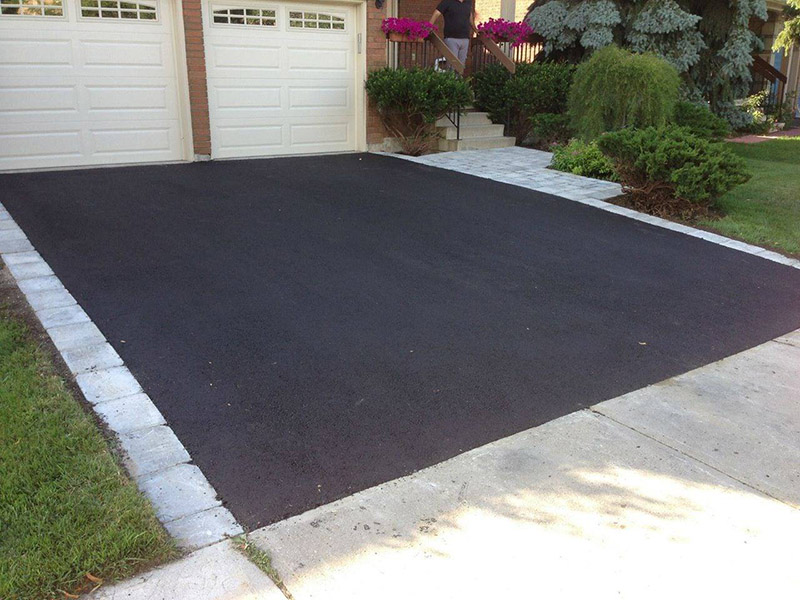
Freshly laid asphalt driveway in front of an updated home to help illustrate best driveway material.Property owners today have access to a wide variety of paving options. The most frequently installed driveways include options ranging from rustic loose aggregates to high-end interlocking units. Depending on the type of material you select, your choice will influence everything from how water drains off your property to how easily you can clear winter ice.

The traditional choices for a premium driveway surface typically fall into a few distinct categories:

  • Asphalt Driveways: A flexible blacktop surface made from mineral aggregates bound by liquid asphalt cement, known for its smooth finish and resilience.
  • Concrete Driveways: A rigid surface formed from a mix of water, aggregate, and cement that creates a light gray, reflective appearance.
  • Decorative Options: High-end architectural choices like concrete pavers, specialized stamped concrete, traditional brick driveways, and premium natural stone.
  • Loose Aggregates: Budget-friendly surfaces composed of gravel or crushed stone.

Best Driveway Material: Upfront Expenses vs. Long-Term Value

Budget is almost always a primary factor when planning a property upgrade. The initial investment for a new surface varies wildly based on the complexity of the installation and the availability of raw materials.

Premium decorative options, such as hand-laid natural stone or intricate brick driveways, are highly labor-intensive. These luxury installations typically cost anywhere from $15 to 30 per square foot, depending on the complexity of the design. Similarly, installing intricate interlocking concrete pavers or pouring custom stamped concrete can easily push project estimates up to $15 or 25 per square foot.

For mid-sized commercial properties and residential homes looking to maximize their return on investment, asphalt driveways offer an ideal middle ground. They deliver a premium, clean look that instantly boosts curb appeal at a fraction of the cost of complex masonry work, leaving more room in your budget for other property improvements.

Climate Performance: How Pavement Handles Pacific Northwest Weather

In the greater Portland and Vancouver areas, regional weather conditions play a massive role in the degradation of outdoor surfaces. Our rainy winters, damp springs, and occasional freezing temperatures put constant physical stress on outdoor infrastructure.

Rigid surfaces are highly susceptible to cracking during winter freeze-thaw cycles. Because they cannot flex, when the ground shifts underneath them due to moisture or temperature drops, they fracture.

Asphalt, on the other hand, is an inherently flexible material. It can expand and contract slightly with seasonal temperature changes without breaking its structural bonds. Furthermore, the dark color of asphalt naturally absorbs sunlight, causing snow and ice to melt rapidly. This makes the surface exceptionally easy to plow or shovel during sudden winter storms.

Maintenance and Lifespan: Keeping Your Investment Intact

Every permanent outdoor structure requires some level of attention to reach its maximum operational lifecycle. These driveways typically perform best when property owners stay ahead of minor wear and tear before it develops into structural damage.

What Does Standard Maintenance Involve? Regular maintenance for outdoor pavement includes sweeping away organic debris, applying protective sealants to shield the surface from UV rays, and addressing minor surface imperfections immediately.


Material Lifespan Main Maintenance
Crushed Stone 5–10 years Grading and weeding
Asphalt 20–30 years Sealcoating every 3–5 years
Concrete 20–30 years Joint sealing and washing
Brick & Pavers 25–40 years Weeding and resetting loose pieces


For an asphalt surface, keeping the pavement pristine is straightforward. Property owners should occasionally pressure wash the area to remove accumulated moss, dirt, and automotive fluids that can degrade the binding agents. When supported by professional sealcoating every three to five years, a properly installed asphalt surface will easily last well over 20 years, delivering exceptional, reliable performance over the long term.

The Best Driveway Material Frequently Asked Questions

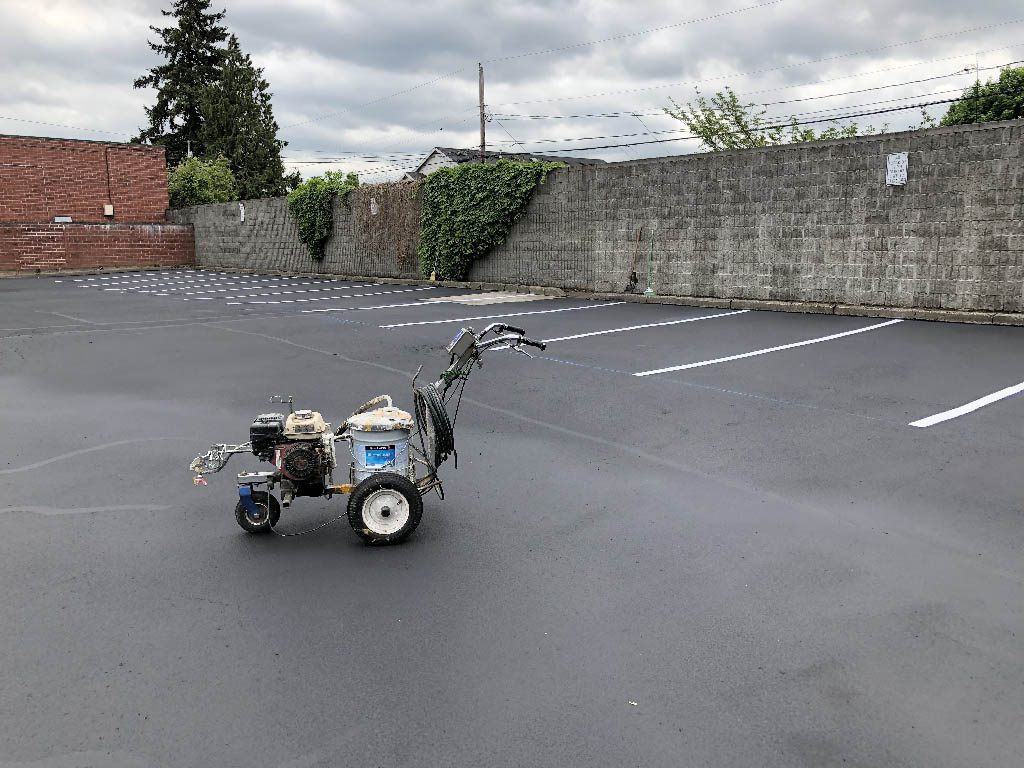
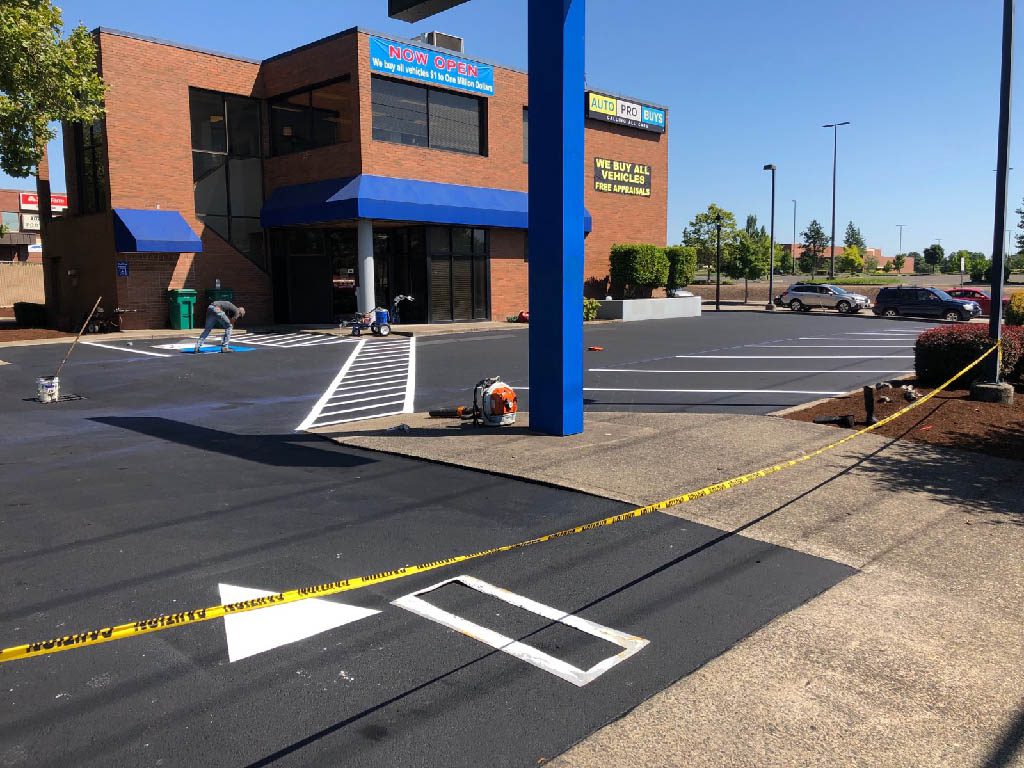
New parking lot at a business with fresh painted lines to help illustrate Asphalt Paving Hillsboro and Asphalt Paving Clackamas and permeable asphalt paving and commercial asphalt resurfacing and best driveway materialCan a commercial parking area use the same material as a residential driveway?
Yes, but the underlying structural design must be modified. Commercial surfaces must support significantly higher weight loads from delivery trucks, garbage services, and constant customer traffic. Commercial installations utilize a deeper, more robust rock sub-base and thicker layers of top material to prevent the surface from rutting or shifting under heavy commercial loads.

How does surface selection affect a property’s overall curb appeal?

The entrance to your home or business sets the tone for the entire property. A clean, dark, uniformly smooth surface provides a striking, modern contrast against green lawns and architectural landscaping. It creates an immediate impression of safety, cleanliness, and meticulous property management.

Is it possible to change the patterns and color of a dark driveway?

While traditional blacktop provides a classic, clean appearance, modern installation options allow for distinct visual customizations. Special striping, clear curbing, and integrated brick borders can be added to define walking paths, organize parking spaces, and complement the existing color palette of your home or business.

Why is a crushed stone base necessary under a solid driveway surface?

The stone base serves as the structural foundation. It distributes the weight of parked vehicles evenly across the soil and creates a vital drainage pathway. Without a solid stone base, water would pool directly beneath the surface, weakening the ground and causing the top layer to collapse, sag, or fail prematurely.

How soon can you drive a car onto a newly paved asphalt driveway?

For fresh hot-mix installations, it is best to keep vehicles off the surface for at least 24 to 48 hours to allow the material to cool and cure completely. During exceptionally hot summer weather, your installation team might recommend waiting an extra day to ensure the surface has fully hardened before being subjected to heavy vehicle turns.

Partner With Local Craftsmanship You Can Trust

Investing in your property means working with professionals who understand local conditions and bring decades of hands-on experience to the jobsite.

William Stanley & Sons Paving is a third-generation, locally owned and operated business with over 30 years of dedicated paving experience in the greater Portland area. Our family legacy is built entirely on honesty, efficiency, and uncompromised craftsmanship. We treat your property with the absolute highest level of professionalism, ensuring your project is done right the first time.

Contact William Stanley & Sons Paving today to schedule a comprehensive on-site consultation and receive a transparent, competitive estimate for your next residential or commercial project.

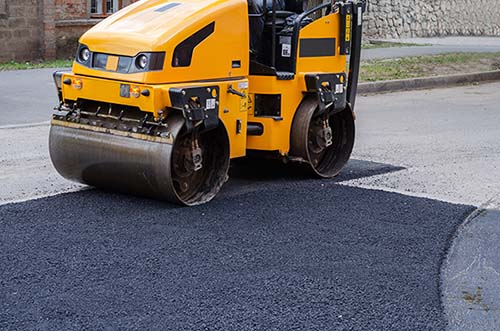
Image of a small steamroller smoothing out fresh asphalt to illustrate good asphalt paving vs bad asphalt paving and Asphalt Patio and Sidewalk Contractors and Signs of a Bad Asphalt Job

Signs of a Bad Asphalt Job

By | Driveway Paving

(Updated July 2025)

What to Watch For Before and After Paving

Not all asphalt paving jobs are created equal. A surface might look smooth and new when the crew pulls away, but problems can start showing up within weeks if the job wasn’t done right. Whether you’re planning to hire a contractor or evaluating a recent paving project, knowing the signs of a bad asphalt job can save you time, money, and frustration down the road.

This guide breaks down common red flags, explains why they matter, and helps you make confident decisions before and after your asphalt driveway or parking lot is installed.

What Makes a “Bad” Asphalt Job?

A bad asphalt paving job doesn’t just look rough—it fails to perform under daily wear, water exposure, and temperature changes. Signs of a poor job can include early cracks, puddling, uneven surfaces, or even complete deterioration.

Ultimately, the quality of an asphalt project comes down to three things:

  • Proper preparation of the base and sub-base
  • Use of the right materials (in the right quantities)
  • Skilled workmanship and attention to detail

Let’s take a closer look at how to spot when those elements are missing.

Common Signs of a Bad Asphalt Job

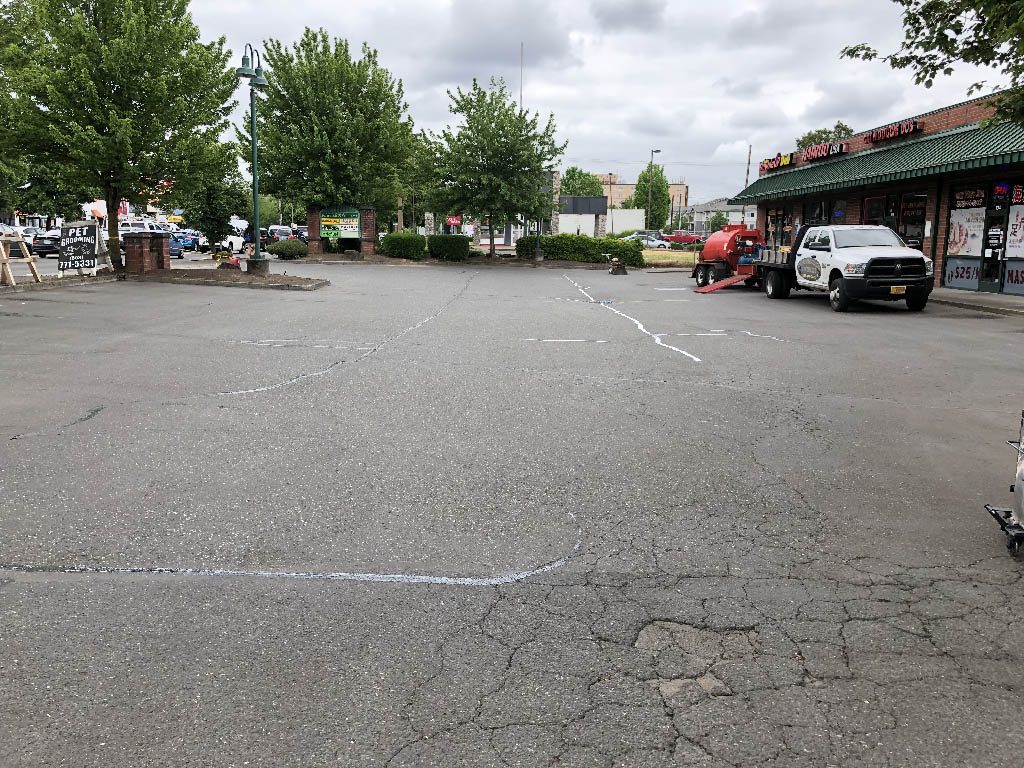
Parking lot with some cracked and crumbing asphalt1. Thin Asphalt Layers

A proper asphalt driveway or lot should have at least 2–3 inches of compacted asphalt for residential projects—and more for commercial use. If your contractor only lays one inch, the pavement is at risk of early cracking and structural failure.

  • Thin layers may look fine initially but won’t withstand traffic loads
  • You can often see this if the edge of the pavement crumbles easily
  • Always ask how thick the asphalt layer will be before signing a contract

2. Poor or No Water Drainage

Pooling water is one of the clearest signs of poor grading or improper slope. Even small puddles will eventually seep through the asphalt surface, softening the base and leading to potholes or cracks.

  • Proper grading is critical to direct water away from the pavement
  • Asphalt should slope at about 2% (2 inches per 10 feet)
  • Check for areas that collect water after rainfall—they’re a red flag

3. No Smooth Transition to Other Surfaces

Good paving includes careful transitions where new asphalt meets existing structures like sidewalks, curbs, or roads.

  • A smooth transition prevents tripping hazards or jarring bumps
  • Sloppy edge work often leads to cracking or erosion at the seams
  • If you feel a bump every time you drive onto your new driveway, that’s a problem

4. Inadequate Compaction

Proper compaction ensures the asphalt binds together and to the base layer beneath it. Without it, the surface will be soft, uneven, or begin to crumble.

  • Look for tire marks, dips, or footprints—these indicate poor compaction
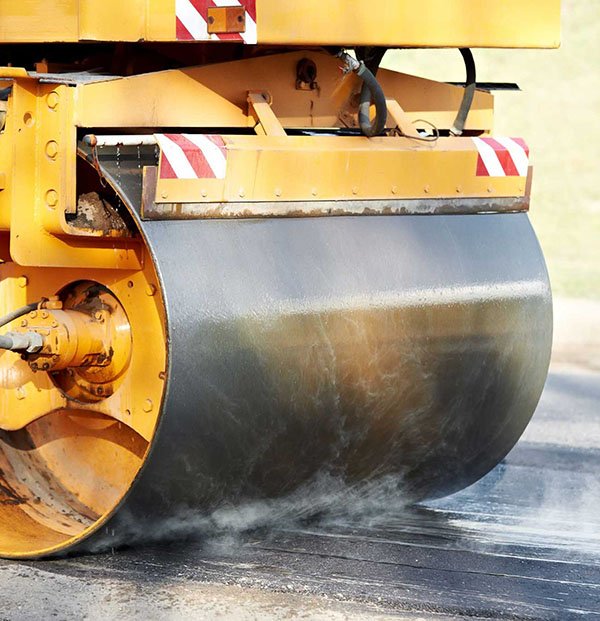
  • A heavy roller should be used to compress every layer (base and asphalt)
  • Lack of compaction shortens the life of the pavement significantly

5. Surface Irregularities or Visible Seams

A finished asphalt surface should look consistent and feel smooth underfoot and under your tires. Visible lines, ridges, or roller marks can signal poor installation technique or rushed work.

  • Uneven textures can lead to faster wear
  • Visible seams between passes may open up over time
  • If you can “see the job was rushed,” it probably was

6. No Primer or Tack Coat Between Layers

If asphalt is being laid over an existing surface, a tack coat (thin asphalt emulsion) should be applied to help bond the layers.

  • Without this bond, the new surface can peel or delaminate
  • This step is especially important in overlays and patch repairs
  • Always ask if a tack coat will be used in your project

7. Edges Not Properly Finished

Edges that drop off abruptly or lack structural support tend to break apart quickly. A good crew will bevel the edges and compact them properly.

  • Weak edges can crumble or split within weeks
  • You shouldn’t see loose gravel or jagged cut lines along the sides

What to Look for in a Quality Asphalt Job

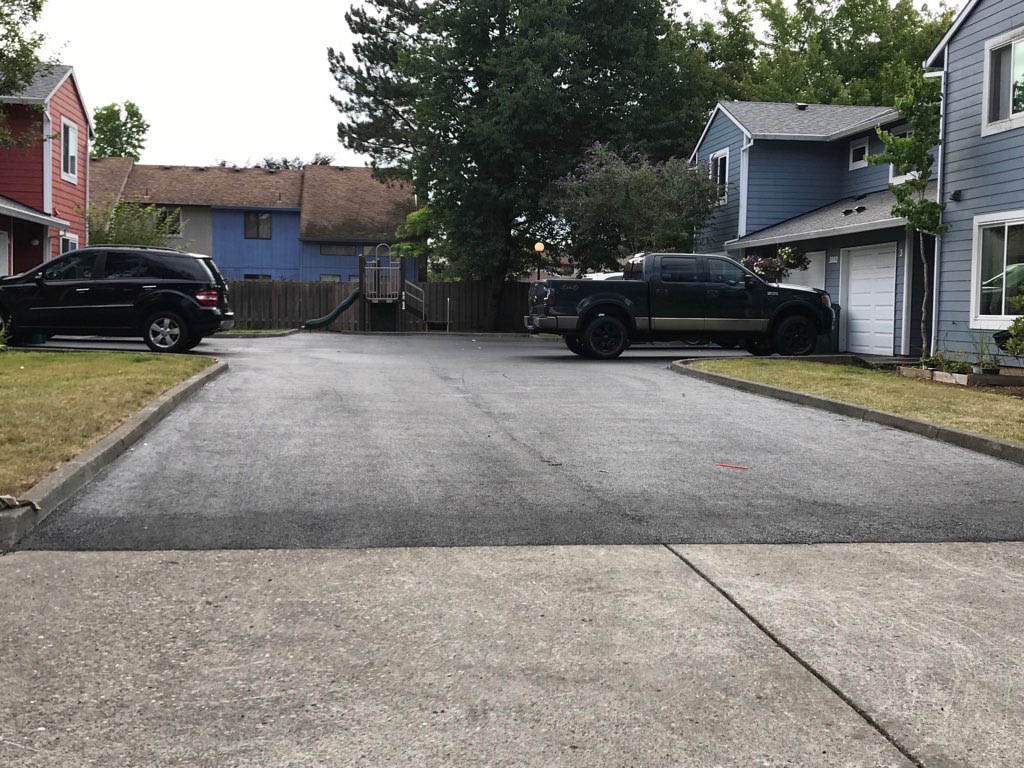
New asphalt driveway blending seamlessly into concrete sidewalk to help illustrate Signs of a Bad Asphalt JobNoticing the bad is important, but knowing what a good asphalt paving job looks like is even better. Here are a few signs your contractor did the job right:
  • Asphalt thickness meets project needs
  • Smooth, even surface with clean edges
  • Proper slope and no standing water after rain
  • Seamless transitions to adjoining surfaces
  • No visible marks, ridges, or cracks at completion

If possible, ask to see photos or references from previous paving projects before hiring.

Why Some Contractors Cut Corners

In many cases, poor workmanship stems from contractors trying to save time or lower their bid to win a job. That can mean:

  • Using less asphalt than required
  • Skipping tack coats or edge work
  • Rushing compaction or grading
  • Relying on undertrained crews

The cheapest quote might save you money today—but cost you far more in repairs tomorrow.

How to Avoid a Bad Asphalt Paving Job

  • Ask Questions Up Front: How thick will the asphalt be? What prep work will you do?
  • Check Credentials: Make sure they’re licensed, insured, and experienced
  • Get a Detailed Estimate: Including base prep, materials, compaction, and cleanup
  • Look at Reviews and Past Work: Don’t be afraid to ask for photos or references
  • Don’t Pay in Full Up Front: A reputable contractor will offer a fair payment schedule

Signs of a Bad Asphalt Job FAQs

  1. How can I tell if my new asphalt driveway was done poorly?
    Check for puddles, bumps, crumbling edges, or uneven transitions. If the surface feels soft or shows marks, it likely wasn’t compacted correctly.
  2. Is it normal for asphalt to crack shortly after installation?
    No. Cracking early on usually means the base wasn’t prepared properly, or the asphalt was too thin.
  3. Should I expect a tack coat when resurfacing an old driveway?
    Yes. A tack coat helps bond the new asphalt layer to the old one and is critical for longevity.
  4. What should proper drainage look like in a driveway?
    Your asphalt surface should have a gentle slope (about 2%) so that water flows off the pavement instead of pooling.
  5. What happens if asphalt isn’t compacted enough?
    Poor compaction can lead to sinking, premature cracking, and water damage. It dramatically shortens the life of the pavement.

Trust Experience When It Comes to Asphalt

A good asphalt paving job is about more than appearances. It’s about lasting quality, proper materials, and skilled craftsmanship at every stage of the project.

At William Stanley & Sons Paving, we bring decades of experience to every driveway and parking lot we install. As a third-generation asphalt contractor, we’re committed to doing the job right the first time—with results that last.

Thinking about a new asphalt surface? Contact us today for a free estimate.

An asphalt paver smoothing out a newly laid asphalt driveway to help illustrate asphalt paving Portland OR and residential driveway paving and What Is the Asphalt Paving Process? and Asphalt Paving Clackamas and Salem Asphalt paving

What Is the Asphalt Paving Process?

By | Driveway Paving

(Updated May 2025)

A Complete Guide for Homeowners and Property Managers

Whether you’re planning a brand-new driveway, a parking lot upgrade, or simply want to understand what goes into professional paving, it’s helpful to know what the asphalt paving process really involves. While it may look like a few machines laying blacktop, there’s far more happening beneath the surface.

This guide walks you through every step in a typical asphalt paving project and answers the most common questions about what to expect, why it matters, and what you should look for in a professional contractor.

What Is Asphalt Paving?

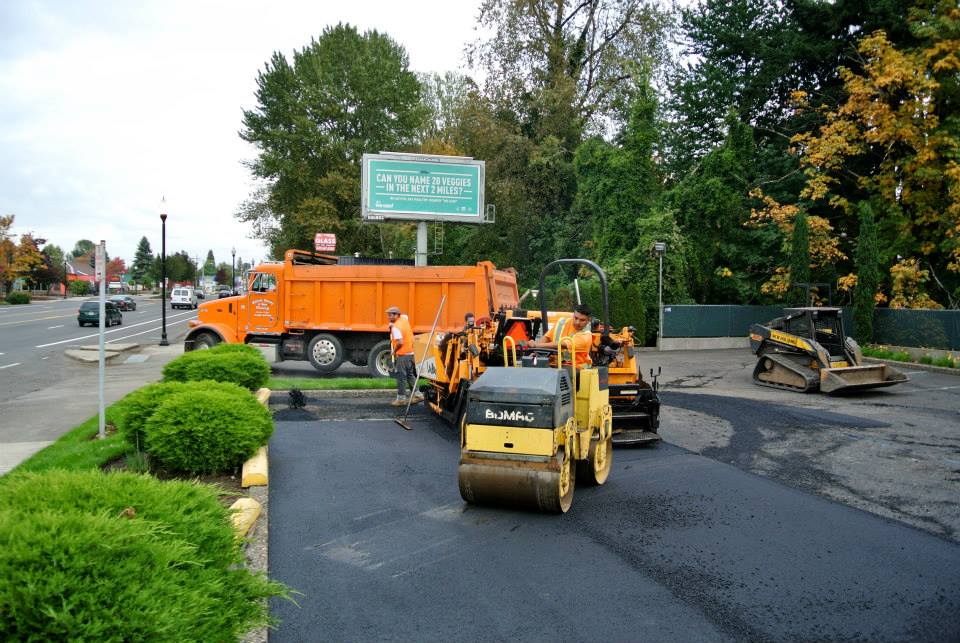
Crews at work paving a commercial parking lot to help illustrate asphalt paving Portland OR and What Is the Asphalt Paving Process?Asphalt paving is the process of installing a durable, weather-resistant road, driveways, paths, and so on using a mixture of asphalt binder, small aggregate (like crushed stone), and sand. The goal is to create a pavement surface that can withstand daily use, water exposure, and traffic loads for years.
Asphalt is popular due to its affordability, quick installation, and long-term durability.

Step-by-Step: The Asphalt Paving Process

1. Site Prep and Removal of the Existing Surface

Every successful paving project starts with a clean slate. Whether you’re replacing old asphalt or concrete, the existing surface must be demolished and removed.

  • Heavy machinery removes old material
  • Recycled asphalt is often reused in future mixes
  • Oil and grease spots must be cleaned for proper bonding

This stage ensures the new asphalt layer has a solid foundation to rest on.

2. Grading for Proper Water Drainage

Grading isn’t just about making things level—it’s about protecting your pavement from future damage. Without proper slope, standing water can penetrate and weaken the surface.

  • Surfaces are graded using laser-guided equipment
  • Optimal slope is 2% (2 inches per 10 feet)
  • Prevents pooling and pothole formation

Ensuring proper grading is especially important in the Pacific Northwest, where heavy rainfall is common.

3. Sub-Base Installation and Compaction

The sub-base is the unsung hero of any asphalt surface. It provides load support and acts as a frost barrier.

  • Typically consists of compacted crushed rock or recycled asphalt
  • Helps prevent cracking from freeze-thaw cycles
  • Proper compaction ensures long-term stability

4. Binder Layer (Optional but Important)

In higher-traffic areas like parking lots, a binder course may be added between the sub-base and surface layer.

  • Made from coarse aggregate and asphalt
  • Provides additional structural strength
  • Helps handle heavier traffic volume and loads

Not all driveways need this layer, but it adds longevity in commercial settings.

5. Installing the Asphalt Surface Course

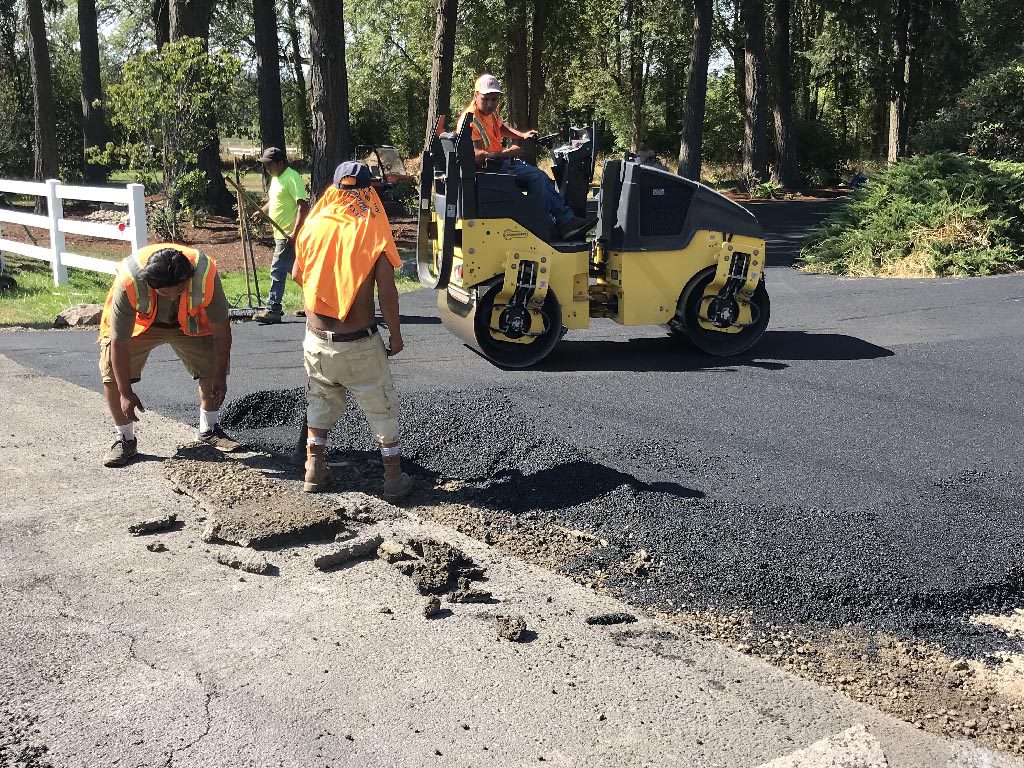
A crew laying new asphalt for a driveway to help illustrate Asphalt Patio and Sidewalk Contractors and What Is the Asphalt Paving Process?Now comes the visible part: the top asphalt layer. This mix of hot asphalt, sand, and small aggregate is usually produced at an asphalt plant and delivered at about 300°F.
  • Smooth, black finish made with smaller aggregates for appearance
  • Applied evenly for consistent thickness
  • Quickly compacted before cooling begins

This layer must be installed and compacted while still hot to ensure proper bonding.

6. Transitions and Edge Work

If your new pavement touches existing surfaces like sidewalks or neighboring driveways, proper transitions are crucial.

  • Edges are smoothed to avoid trip hazards or sharp drop-offs
  • A tack coat (thin asphalt emulsion) may be used to bond old and new asphalt
  • Seamless integration preserves appearance and prevents future cracking

7. Final Compaction

After the surface is laid, a heavy roller makes final passes to ensure proper compaction.

  • Eliminates bumps, air pockets, and surface irregularities
  • Ensures structural integrity
  • Helps bind all asphalt layers into one durable unit

Why Compaction Is Critical

Compaction might be the most important step in the paving process. Without it, air gaps can form that allow water to seep in, weakening the asphalt from within.

  • Proper compaction prevents settling and rutting
  • Ensures layers bond correctly
  • Reduces long-term maintenance needs

If you want smooth, long-lasting pavement, this is a step that should never be rushed.

Should You Sealcoat New Asphalt?

Sealcoating isn’t part of the asphalt pavement installation process, but it’s one of the best ways to protect your new asphalt surface long-term. Applying a sealcoat helps shield the pavement from UV damage, oil stains, and water intrusion. While fresh asphalt needs to cure for at least 90 days (and sometimes up to six months) before it can be sealed, adding this protective layer can significantly extend the life of your driveway or parking lot and delay costly repairs.

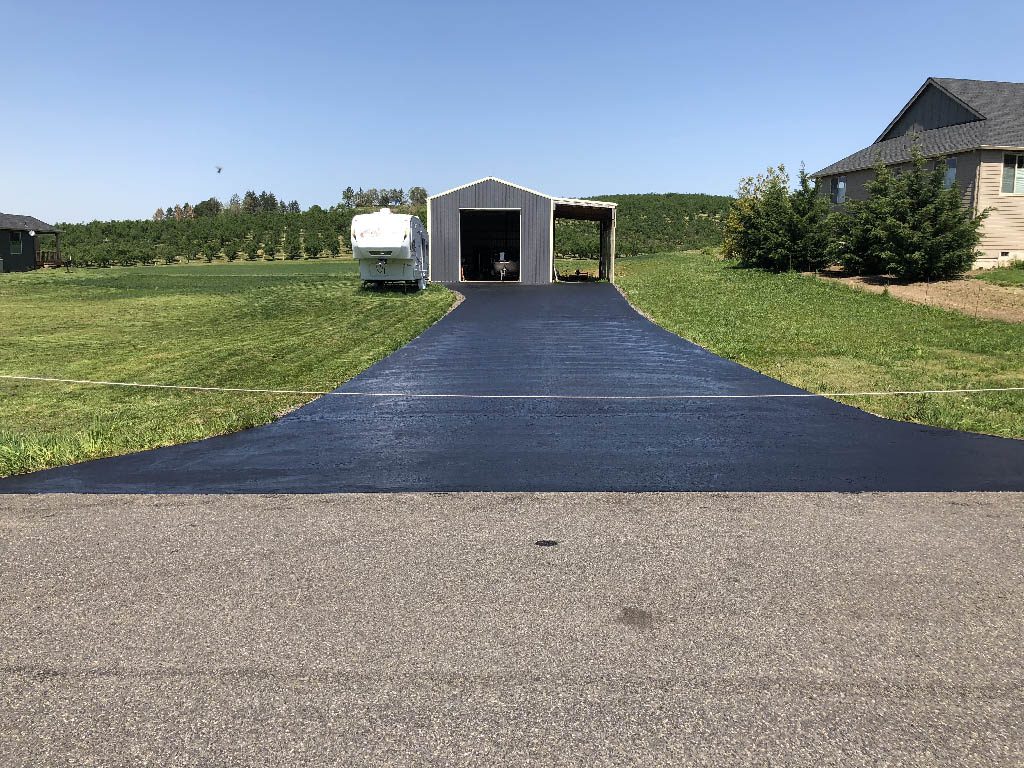
a fresh new asphalt driveway to an outbuilding to help illustrate What Is the Asphalt Paving Process?How Long Does the Asphalt Paving Process Take?

Most residential paving projects can be completed in one to two days, depending on the size and condition of the site. Commercial projects, like large parking lots, may take longer due to added steps like binder layers or extensive grading.

Weather and scheduling with the asphalt plant can also affect timing.

Can I Pave My Own Driveway?

Technically, yes. Practically? Not recommended.

Asphalt paving requires specialized equipment, experience with grading and compaction, and access to hot mix asphalt from a local plant. Mistakes in base prep, compaction, or water drainage can lead to costly issues down the line.

Hiring an experienced asphalt paving contractor ensures the job is done right the first time.

What Affects the Cost of Asphalt Paving?

Paving costs vary based on:

  • Size of the area to be paved
  • Type and condition of existing surface
  • Need for grading or additional base prep
  • Distance from the asphalt plant (delivery fees)
  • Expected traffic volume and load-bearing needs

While asphalt is more affordable than many other surfaces, the best value comes from a durable installation that lasts for decades.

FAQs: Asphalt Paving Process Questions Answered

  1. What is recycled asphalt, and is it used in new paving projects?
    Recycled asphalt (also known as RAP) is often incorporated into new mixes. It reduces environmental impact while maintaining strength and performance.
  2. How long should I wait before using my new asphalt surface?
    You can walk on it after 24 hours, but vehicles should wait at least 48–72 hours. Full curing may take weeks, so avoid heavy vehicles early on.
  3. How thick should asphalt be for a driveway or parking lot?
    Driveways typically use 2–3 inches of asphalt, while commercial parking lots may use 4 inches or more, sometimes with a binder layer underneath.
  4. What causes asphalt to crack or form potholes?
    Poor water drainage, inadequate base compaction, and freeze-thaw cycles are leading causes. A properly paved surface resists all three.
  5. Does asphalt paving work in rainy climates like Portland?
    Yes—if it’s done right. Grading, compaction, and drainage are especially important in wet regions. High-quality materials and proper slope are key.

Choose the Right Contractor for the Job

The asphalt paving process may be technical, but it doesn’t have to be stressful. With the right team on your side, your new pavement can look great, function well, and last for years.

William Stanley & Sons Paving brings over 30 years of hands-on, generational experience to every residential and commercial project in the Portland area. From driveways to high-traffic parking lots, we know how to get the job done right—efficiently, affordably, and professionally.

Let’s talk about your next asphalt paving project.