
Category

Seal Coating

Sealcoating the driveway of a business to help illustrate Benefits of Seal Coating Asphalt and Asphalt Paving Clackamas and Salem Asphalt paving and to help illustrate asphalt paving Services in Tigard and commercial asphalt paving

Commercial Asphalt Paving Surfaces

By | Driveway Paving, Seal Coating, Uncategorized

When you think about your commercial property, the asphalt probably is not the first thing on your mind. However, for every customer, delivery driver, and tenant, those driving surfaces are the primary arteries of your business operations. A parking stall is designed for a vehicle to sit still, but commercial asphalt paving surfaces are built for motion, weight, and constant stress.

In the Portland metro area, these surfaces face a relentless combination of heavy vehicle loads and consistent rainfall. Understanding the difference between a simple parking area and a dedicated commercial asphalt driving lane is the first step in avoiding massive repair bills down the road.

By focusing on a few key engineering and maintenance principles, you can ensure your infrastructure remains a quiet, reliable partner in your business success.

Commercial Asphalt Paving: Engineering for the Heavy Lifters

Sealcoating the driveway of a business to help illustrate Benefits of Seal Coating Asphalt and Asphalt Paving Clackamas and Salem Asphalt paving and to help illustrate asphalt paving Services in Tigard and commercial asphalt pavingThe most common mistake made in commercial paving is treating every square foot of the lot the same way. In reality, a lane used by a waste management truck or a heavy freight delivery vehicle requires much more structural support than a space for a compact car.

These heavy vehicles put a dynamic load on the asphalt, meaning the weight shifts and pushes against the surface as the vehicle moves or turns. If the sub-grade was not properly compacted or if the asphalt layer is too thin for the volume of traffic, you will quickly see signs of distress.

Rutting, which looks like troughs in the wheel paths, is a clear sign that the driving surface was not engineered for the weight it is carrying. When you look for effective paving solutions, it is important to remember that the most cost-effective path is building a surface that can actually handle your specific daily traffic count.

The Battle Against the Pacific Northwest Rain

In cities like Beaverton, Gresham, and Vancouver, rain is the primary factor in pavement failure. Asphalt is naturally porous to some degree, and when water is allowed to sit on the surface, it eventually finds a way into the foundation. For a commercial asphalt driving surface, standing water is a recipe for disaster.

Precision grading is vital. Every driving lane must be sloped correctly to ensure water moves toward a drain or a collection point. If water is allowed to pool in a high-traffic lane, the weight of passing cars will actually pump that water deeper into the asphalt. This softens the sub-base and leads to rapid cracking.

Proper drainage management is the single best way to protect your asphalt investment in our local climate.

Traffic Flow and Safety Requirements

A well-maintained driving surface does more than just look good; it dictates how people behave on your property. Confusing layouts or faded markings lead to accidents and property damage. For a business owner, a clear and intuitive commercial asphalt driving path reduces liability and improves the customer experience.

If your lot feels cramped or if delivery trucks are struggling to make turns, it may not be a space issue. It may be a layout issue. Proper lane widths and turn radii are essential for commercial sites that handle larger vehicles. When the layout is correct, the traffic moves safely and predictably, which reduces the wear and tear on your asphalt from awkward braking and tight turning.

Frequently Asked Questions About Commercial Asphalt Paving

Why do driving lanes often fail before the rest of the parking lot?

This is due to the frequency and type of weight they carry. Parking stalls hold static weight, but driving lanes handle dynamic loads. Every time a car brakes, accelerates, or turns, it puts horizontal stress on the asphalt. Over thousands of repetitions, this stress causes the material to shift or crack if it was not built with enough structural depth.

How can I tell if my asphalt’s sub-base is failing?

Look for alligator cracking or deep ruts in the wheel paths. If you see water seeping up through the cracks even when it hasn’t rained recently, that is a sign that the ground underneath is saturated. When the base fails, the asphalt loses its support and will begin to collapse under the weight of traffic.

Does the turning radius of delivery trucks impact commercial asphalt paving wear?

Yes, significantly. When a heavy truck turns its wheels while moving slowly, it creates a scuffing action on the asphalt. If the turning radius is too tight, this action can actually tear the surface or create shoving, where the asphalt ripples. Designing wider turns for heavy vehicles is a great way to extend the life of your commercial asphalt driving lanes.

Can I upgrade a residential-grade surface for commercial driving?

It is difficult to do without a full reconstruction, but a structural overlay can sometimes help. This involves adding a new, thicker layer of asphalt over the old surface. However, this only works if the foundation is still solid. If you are moving from light traffic to heavy commercial use, a professional evaluation is necessary to see if the current base can handle the new load.

How does the Portland freeze-thaw cycle affect commercial lanes?

Even though we don’t get many deep freezes, the constant swing between 30 and 50 degrees is tough on asphalt. Water gets into small cracks, freezes, and expands. In high-traffic driving lanes, this process is accelerated because the weight of the cars constantly massages those cracks, making them grow faster than they would in a quiet parking stall.

Partner with a Third-Generation Legacy For Your Commercial Asphalt Paving

If your commercial property is showing signs of wear, or if you are planning a new infrastructure project, you need a partner who understands the specific challenges of the Portland region. William Stanley & Sons Paving brings over 30 years of family-led experience to every commercial asphalt driving project. We focus on building durable, high-performance surfaces that improve your property’s value and operational safety.

Contact William Stanley & Sons Paving today for an expert consultation on your commercial asphalt paving needs and let our family help yours.
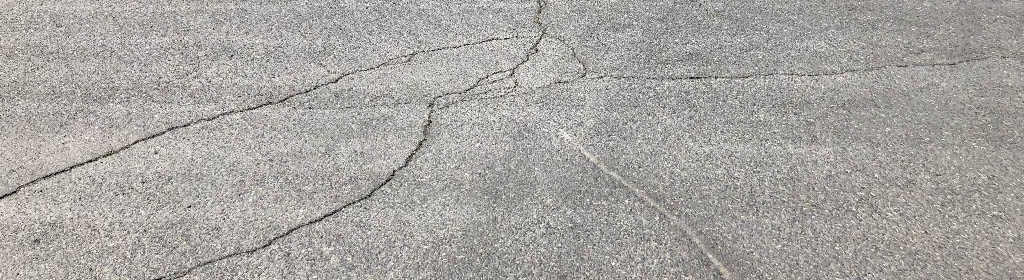
Cracks in an asphalt driveway to help illustrate fix driveway cracks and Asphalt Crack Repair

Why Asphalt Crack Repair Cannot Wait

By | Driveway Paving, Seal Coating

For most property owners in the Portland area, a small crack in the asphalt is easy to ignore. It does not seem like an urgent problem when compared to roof leaks or HVAC issues. However, in the world of pavement maintenance, a crack is more than a cosmetic flaw. It is a direct opening to the foundation of your property.

If you leave it open, you are essentially inviting the Pacific Northwest rain to destroy your investment from the inside out.

Understanding why cracks form and how to fix them is vital for any business owner or property manager. Asphalt is a resilient material, but it has one major weakness: water. When water gets under the surface, the clock starts ticking on a total pavement failure.

By taking a proactive approach to repair, you can extend the life of your driveway or parking lot by decades while avoiding the massive costs of a full replacement.

The Science of Water Damage in the Northwest

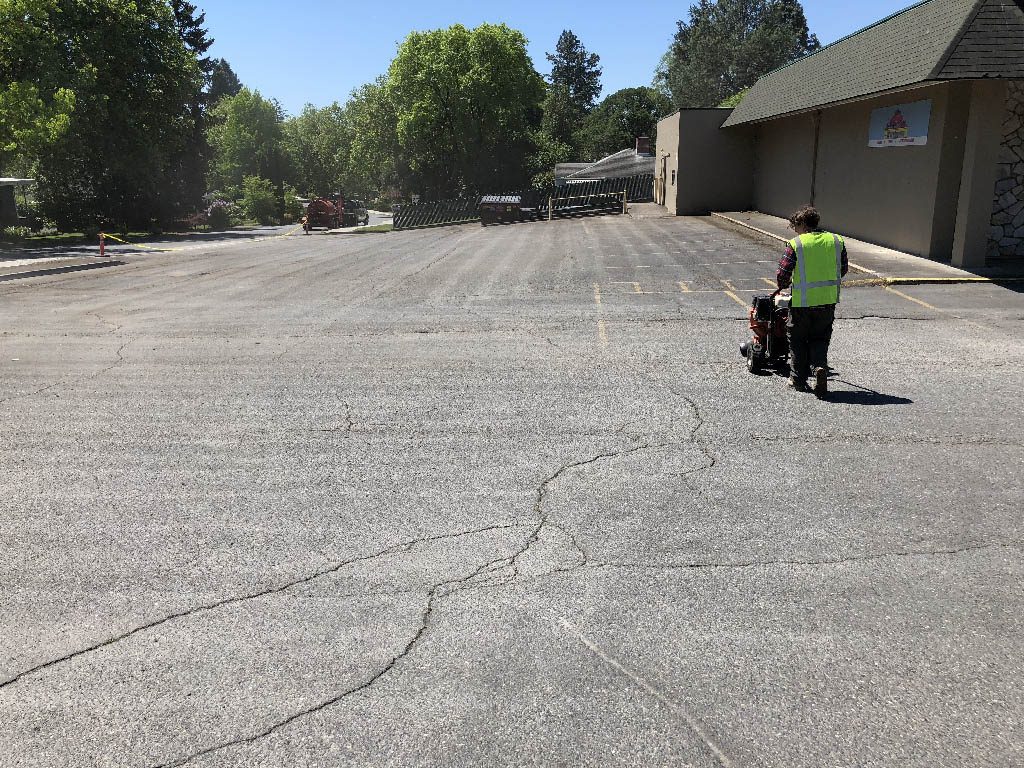
A worker sizing up a cracked driveway/parking area near a building to help illustrate Asphalt Crack RepairTo understand why crack repair is so important, you have to look at what is happening beneath the surface. Asphalt is designed to be flexible. It sits on a base of compacted gravel and soil. As long as that base stays dry and firm, the asphalt can support the weight of heavy cars and trucks without shifting.
When a crack opens, that protection is gone. In a rainy climate like ours, water immediately finds its way into that opening. It travels down through the asphalt and saturates the gravel base. Once that gravel becomes wet, it loses its strength. It turns into a soft, muddy layer that can no longer support weight.

When a vehicle drives over that specific spot, the asphalt flexes too much and snaps. This is how a simple crack turns into a deep pothole.

The Hidden Threat of the Freeze-Thaw Cycle

While Portland does not have the harsh winters of the East Coast, we still deal with a dangerous freeze-thaw cycle. Even a light frost can cause major damage to open asphalt. When water enters a crack and the temperature drops, that water turns into ice.

As water freezes, it expands by about nine percent. This expansion puts immense pressure on the walls of the crack, pushing the asphalt apart. When the ice melts, it leaves behind a larger void than before. This process happens dozens of times each winter in the Northwest. Over a single season, a hairline fracture can grow into a wide gap that is much more difficult and expensive to seal.

Identifying Different Types of Asphalt Cracks

Not all cracks are created equal. Knowing what you are looking at can help you decide how quickly you need to act. Here are the most common types found on local properties.

Longitudinal and Transverse Cracks

These are the straight lines you see running down the middle or across your lot. They often happen because of the natural aging process or because the asphalt was not laid perfectly in the first place. These are usually the easiest to fix if you catch them early.

Edge Cracking

These cracks appear along the outer edges of a road or driveway. They usually mean the soil at the edge of the pavement is not providing enough support. This often happens if the drainage at the side of the lot is poor, allowing water to sit and soften the earth.

Alligator Cracking

If your asphalt looks like the skin of a reptile, you have a serious problem. Alligator cracking is a sign of structural failure. It means the base layer has already been compromised by water or heavy loads. At this stage, simple crack sealing will not work. You likely need to dig out the area and replace the base before paving again.

The True Cost of Pavement Neglect

Many property managers look at crack repair as an optional expense. However, the math tells a different story. The cost of sealing a crack is measured in cents per foot. The cost of replacing failed asphalt is measured in dollars per square foot.

If you ignore a hundred feet of cracks this year, you might save a few hundred dollars. But by next year, those cracks will have allowed enough water in to create several large potholes. The cost to cut out and patch those areas can be five to ten times higher than the original seal job. If the damage spreads to the entire lot, you could be looking at a bill for tens of thousands of dollars. Proactive maintenance is always the most affordable path.

The Professional Repair Process: Why Detail Matters

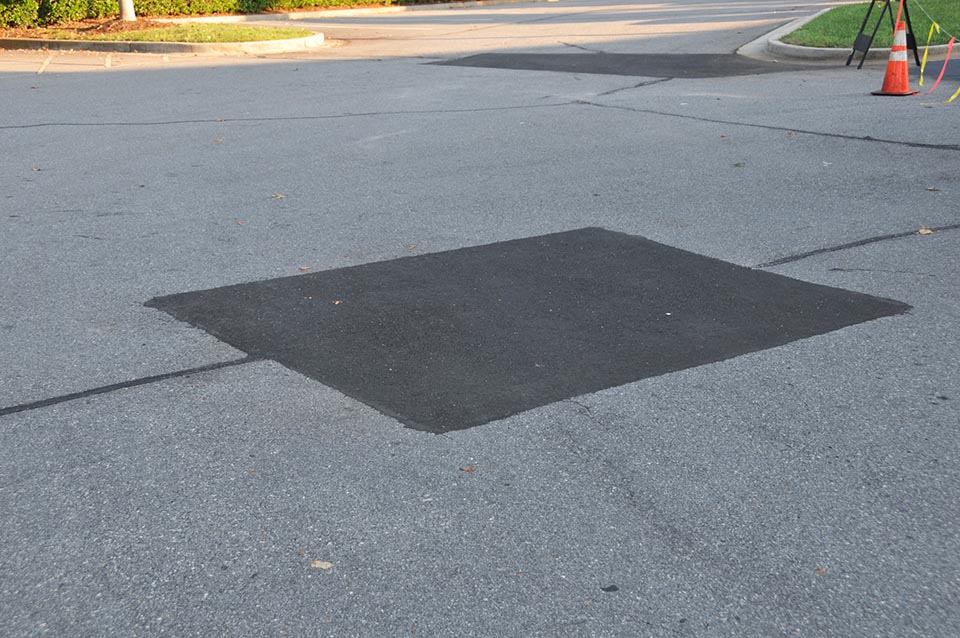
A new square section of asphalt to help illustrate asphalt crack repairA quality repair is about more than just pouring a filler into a hole. To make a repair last, the surface must be prepared correctly. A professional team follows a specific set of steps to ensure the bond is permanent.
The first step is cleaning. Sealant will not bond to dirt, moss, or loose gravel. Using high-pressure air and wire brushes, the team removes every bit of debris from the crack. If there is vegetation growing in the gap, it must be killed and removed entirely. If the roots are left behind, they will continue to grow and push the new sealant right out of the crack.

Once the area is clean and dry, a hot-rubberized sealant is applied. This material is heated to a liquid state and poured directly into the crack. Unlike the cold-pour kits found at hardware stores, hot-rubberized sealant stays flexible even after it cools. It can stretch and shrink as the asphalt moves with the temperature.

This flexibility is what keeps the water out during the rainy season.

Liability and Safety for Business Owners

Beyond the structural damage, open cracks are a significant liability for business owners. A wide crack is a perfect place for a high heel to get stuck or for a customer to trip. In the Pacific Northwest, those cracks can also collect ice in the winter, creating slippery spots that are hard to see.

If a customer falls on your property, you could be held liable for their injuries. Maintaining a smooth, well-sealed parking lot shows that you are a responsible property owner. It keeps your visitors safe and protects your business from unnecessary legal headaches.

Why Experience Beats a DIY Approach

It can be tempting to buy a few jugs of crack filler and try to handle the job yourself. However, DIY products rarely stand up to the Portland weather. They tend to become brittle and crack within a single season because they lack the rubber content of professional materials.

A professional team has the equipment to heat sealant to the exact temperature needed for a deep bond. They also have the experience to know which cracks can be saved and which ones require a more intensive repair. Investing in professional expertise ensures the job is done once and done right.

Frequently Asked Questions

Does crack repair make the cracks disappear completely?

No, crack repair is a structural fix, not a cosmetic one. The black sealant will be visible against the gray of older asphalt. While it may not look perfect, it is doing the vital job of keeping water out of your foundation. If you want a uniform look, we suggest sealcoating the entire lot after the crack repairs are finished.

How long will the lot be closed for crack repairs?

One of the best things about hot-rubberized sealant is how fast it sets. It usually cools and becomes firm within thirty to sixty minutes. For most commercial properties, we can work in sections so that your customers always have a place to park. We can even schedule the work during your off-hours to avoid any disruption.

What happens if I seal a crack that is still wet?

If you apply sealant to a damp crack, the moisture gets trapped underneath. As the sun warms the asphalt, that moisture turns into steam and tries to escape. This creates bubbles and eventually pushes the sealant up and away from the asphalt. This is why we monitor the local weather so closely to find a dry window for our work.

Can you fix cracks in the middle of a Portland winter?

It is difficult but not impossible. The main challenge is finding a dry day where the temperature is above freezing. We generally recommend doing major crack repair during the late spring, summer, or early fall. This ensures the best bond and the longest-lasting results.

Is there a point where a crack is too big to be sealed?

Yes. Generally, once a crack is wider than an inch or if the edges are crumbling away, a simple seal is no longer effective. At that point, the area usually needs a mastic repair or an asphalt patch. We evaluate each lot to make sure we are providing the right solution for the specific damage we see.

Protect Your Property with a Third-Generation Partner

Your driveway or parking lot is a major part of your property’s value. At William Stanley & Sons Paving, we understand the importance of doing things right the first time. Our family has been serving the Portland and Vancouver area for over thirty years, passing down the knowledge and skills needed to handle our unique local climate.

We focus on honest communication and expert craftsmanship. We don’t consider a job done until you are satisfied with the result. If you are starting to see cracks in your asphalt, do not wait for the rain to cause more damage. Let our experience work for you.

Contact William Stanley & Sons Paving today for a free evaluation of your asphalt and let us help you protect your investment for years to come.

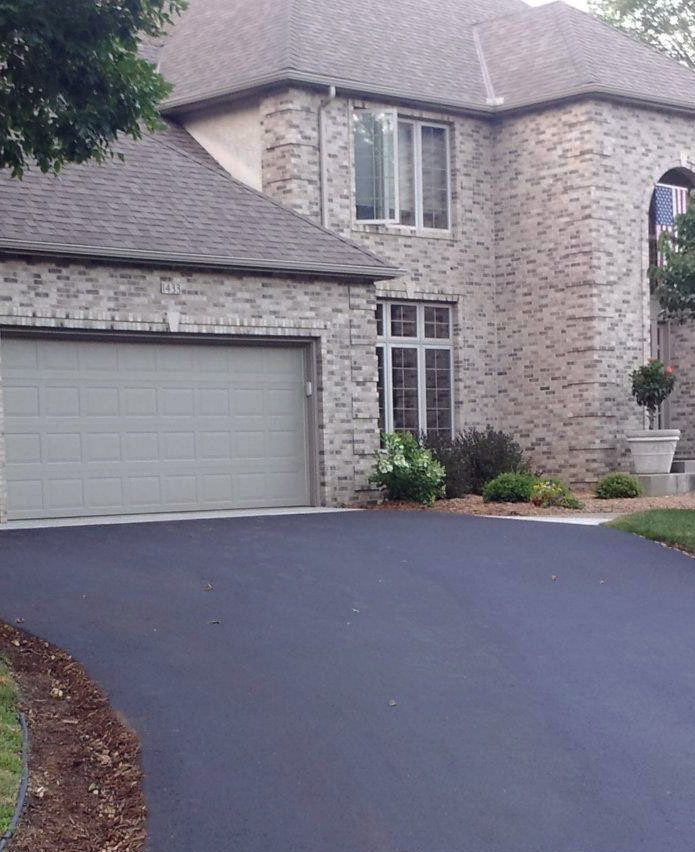
Freshly residential driveway paving in front of a beautiful house to help illustrate Asphalt Paving Hillsboro and Asphalt Resurfacing and asphalt vs concrete

Asphalt vs Concrete: Which Is Better for Your Property?

By | Driveway Paving, Seal Coating

If you are planning a new driveway, parking lot, or commercial paving project, one of the first questions you will face is simple: asphalt vs concrete, which is better?

The answer depends on how the space is used, your budget, your long-term maintenance goals, and the climate where the surface will be installed.

Both materials have benefits, but they perform differently over time. Some property owners prioritize lower upfront costs. Others care more about appearance, repairs, or long-term durability.

The right choice comes down to understanding how each option works and which one fits your needs best.

What Is the Main Difference Between Asphalt and Concrete?

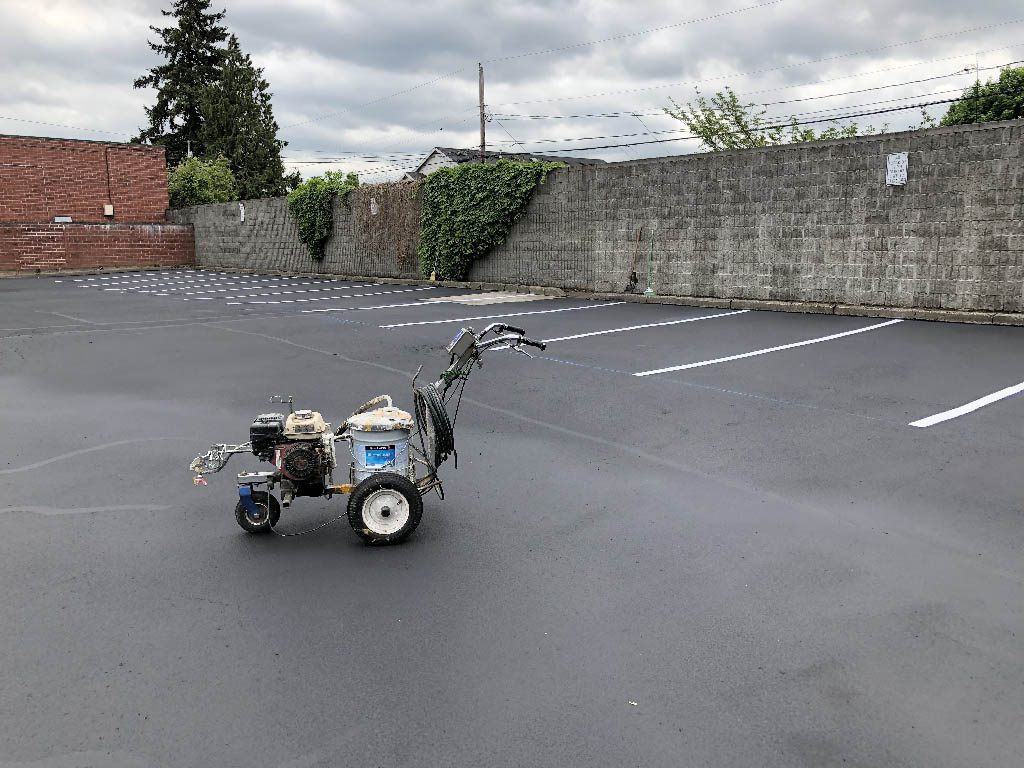
Striping machine standing on a fresh asphalt parking lot and new lines to help illustrate asphalt vs concreteThe biggest difference is how the two materials are made and how they perform.
Asphalt is made with aggregate materials like stone and sand mixed with liquid asphalt binder. It creates a flexible surface that handles movement and changing temperatures well.

Concrete is made from cement, water, sand, and aggregate. It cures into a rigid surface that is known for strength and a lighter finished appearance.

Because asphalt is more flexible and concrete is more rigid, they respond differently to weather, traffic, and wear over time.

Which Option Costs Less?

For most projects, asphalt has a lower upfront installation cost. This makes it a popular choice for driveways, parking lots, and larger commercial surfaces where budget matters. Installation is also typically faster, which helps reduce downtime for businesses.

Concrete usually costs more at the beginning because materials and labor are more expensive. However, some property owners choose it for its appearance or because they want a surface that may last longer under certain conditions.

If immediate budget is the top concern, asphalt is often the more practical choice.

Which Lasts Longer?

Concrete often has a longer potential lifespan, but that does not automatically make it the better investment.

A well-installed concrete surface may last longer with minimal structural changes, but repairs can be more difficult and more expensive.

Asphalt may require more routine maintenance, such as sealcoating and periodic resurfacing, but repairs are generally simpler and more affordable. With proper care, asphalt can provide excellent long-term performance.

The better question is not only how long it lasts, but how easy and cost-effective it is to maintain over time.

Which Performs Better in Oregon Weather?

In the Portland area and throughout the Pacific Northwest, weather matters.

Frequent rain, moisture, and seasonal temperature changes put stress on paved surfaces. Asphalt performs well in these conditions because its flexibility helps it expand and contract with less risk of cracking.

Concrete can be more vulnerable to cracking when temperatures shift or moisture gets into small surface openings and freezes.

Drainage also plays a major role. No matter which material you choose, proper grading and installation are critical for long-term success.

For many local properties, asphalt offers a strong balance of durability and weather performance.

Which Is Easier to Maintain?

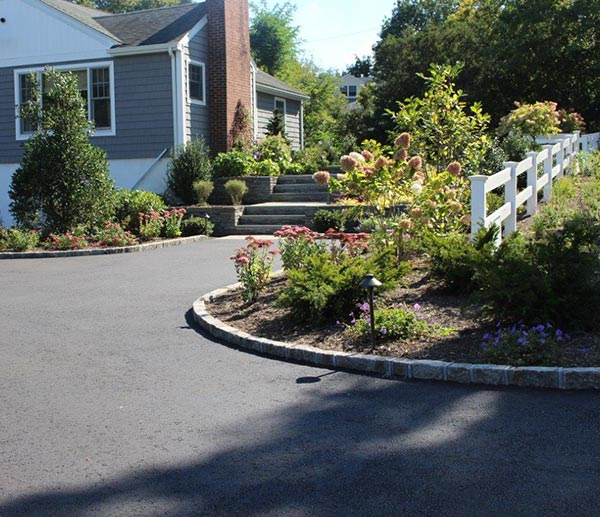
Freshly laid asphalt driveway in front of an updated home to help illustrate best driveway material and asphalt vs concreteAsphalt usually wins when it comes to easier maintenance.
Small cracks can often be repaired quickly, and resurfacing can extend the life of the pavement without full replacement. Sealcoating also helps protect the surface from moisture, UV exposure, and wear.

Concrete may require less frequent maintenance at first, but when damage happens, repairs are often more noticeable and more expensive. Matching older concrete can also be difficult.

For property owners who want practical maintenance and simpler repairs, asphalt is often the easier choice.

What About Appearance and Curb Appeal?

Concrete has a lighter, brighter appearance and is sometimes chosen for decorative reasons. Some homeowners prefer the clean visual look, especially for patios or high-end residential projects. Decorative finishes and color options can also change the appearance.

Asphalt offers a smooth, clean black finish that looks professional and polished. It creates strong visual contrast with landscaping, curbs, and building entrances, which works especially well for parking lots and commercial spaces.

Curb appeal depends on the property, but both materials can look excellent when installed correctly.

Which Is Better for Commercial Properties?

For most commercial paving projects, asphalt is the more practical option. Parking lots, access roads, and high-traffic surfaces benefit from asphalt’s faster installation, easier repairs, and lower overall maintenance costs. Businesses also appreciate reduced downtime during installation and resurfacing.

Concrete may make sense for certain specialty areas, but for most commercial properties, asphalt provides better long-term flexibility and value.

That is why so many businesses choose asphalt for parking lots and heavy-use paved surfaces.

So Which One Should You Choose?

If you want lower upfront cost, faster installation, easier repairs, and strong performance in Oregon weather, asphalt is often the better choice.

If appearance is the top priority and you are comfortable with a higher initial investment, concrete may be worth considering for certain projects.

For many homeowners and business owners, asphalt offers the best overall balance of value, durability, and long-term practicality. The right answer depends on your property, your goals, and how the surface will be used every day.

FAQs About Asphalt vs Concrete

Is asphalt cheaper than concrete?

Yes. In most cases, asphalt has a lower installation cost than concrete, especially for larger driveways and parking lots.

Does asphalt need more maintenance than concrete?

Usually, yes. Asphalt benefits from sealcoating and occasional resurfacing, but those services are often more affordable than major concrete repairs.

Which surface handles heavy traffic better?

Both can handle traffic well when installed properly, but asphalt is often preferred for commercial parking lots because repairs are faster and less disruptive.

Does concrete crack more than asphalt?

Concrete can be more prone to visible cracking because it is a rigid material. Asphalt is more flexible and better able to handle movement from weather and use.

Is asphalt better for rainy climates like Oregon?

For many properties, yes. Asphalt performs well in wet climates because it handles temperature changes and moisture movement more effectively when properly installed and maintained.

Need Help Choosing the Right Surface?

Every property is different, and the best paving choice depends on how the space is used, your budget, and your long-term plans.

If you are comparing options for a driveway, parking lot, or commercial paving project, William Stanley & Sons Paving can help you make the right decision. With more than 30 years of experience serving Portland and surrounding areas, our team focuses on honest guidance, quality work, and solutions built to last.

Reach out for a free estimate and a straightforward conversation about what works best for your property.

A worker adding seal coating for sport court paving to help illustrate Benefits of Seal Coating Asphalt and to help illustrate Asphalt Paving Hillsboro

What are the Benefits of Seal Coating Asphalt?

By | Seal Coating

(Updated Aug 2025)

Seal Coating – Why It Matters for Every Driveway or Parking Lot

If you’ve invested in a new asphalt surface, whether it’s a residential driveway or a commercial parking lot, you want it to last—and look great while doing so. That’s where seal coating asphalt comes in. But what are the benefits of seal coating asphalt? It isn’t just a finishing touch–it’s a protective layer that guards your pavement against the elements, wear, and time.

In this guide, we’ll walk through what seal coating is, why it matters, how often it should be done, and how it fits into your overall pavement maintenance strategy.

What Is Seal Coating Asphalt?

Seal coating is the process of applying a protective sealant over an existing asphalt surface. The sealcoat product acts as a barrier, shielding the asphalt from UV rays, moisture, chemicals, and general wear and tear.

  • Typically made from coal tar, asphalt emulsions, or acrylics
  • Applied using brushes, squeegees, or spray equipment
  • Dries to a deep black finish that refreshes appearance and provides protection

While it won’t repair serious damage, sealcoating helps prevent cracks, fading, and erosion before they start.

What are the Benefits of Seal Coating Asphalt?

If you’re on the fence about whether sealcoating is necessary, think of it this way: asphalt is an investment—and like anything exposed to weather, traffic, and time, it needs protection. Sealcoating is a small upfront cost that pays off in long-term durability, appearance, and lower maintenance.

Below, we’ll break down the key benefits of seal coating asphalt and why it should be part of every pavement care plan.

1. Extends the Life of Your Asphalt Surface

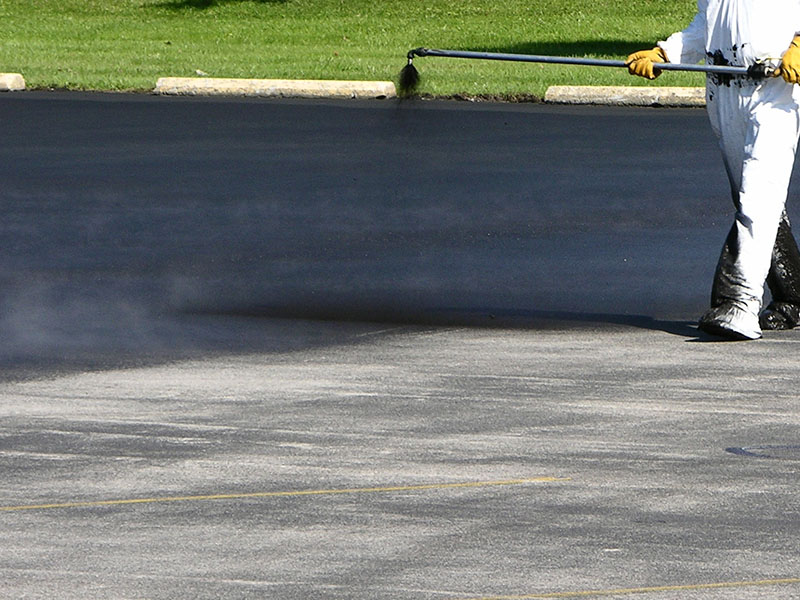
Sealcoating the driveway of a business to help illustrate Benefits of Seal Coating AsphaltOne of the most compelling reasons to apply a sealcoat is longevity. Sealcoating slows the natural aging process of asphalt pavement by shielding it from damaging elements.

  • Protects against oxidation from sun exposure
  • Reduces damage from water infiltration
  • Resists chemical spills like oil, gas, and de-icers

With regular asphalt sealing, your driveway or parking lot can last significantly longer—sometimes doubling the lifespan compared to unsealed surfaces.

2. Enhances Curb Appeal

A freshly sealed asphalt surface has a rich, dark finish that makes your property look well-maintained and professional.

  • Gives a clean, uniform look to faded pavement
  • Makes a positive first impression for homes and businesses
  • Visibly boosts the perceived value of your property

Whether you’re welcoming guests, clients, or potential buyers, appearance matters.

3. Improves Safety and Functionality

Sealcoating isn’t just about looks—it also improves usability and safety.

  • Smooths minor surface imperfections for safer walking and driving
  • Increases skid resistance for both pedestrians and vehicles
  • Enhances visibility for striping and line markings

For parking lots in particular, this can reduce liability risks and make navigation easier for customers and staff.

4. Helps Prevent Cracks and Water Damage

When water seeps into asphalt, it softens the base and causes expansion during freeze-thaw cycles. Sealcoating creates a moisture barrier to help prevent this.

  • Fewer cracks mean less need for expensive repairs
  • When cracks do form, sealcoating makes it easier for crack filler to bond properly
  • Stops potholes from forming by keeping the base intact

Maintenance is always easier—and cheaper—than reconstruction.

5. Makes Maintenance Easier

A sealed surface is smoother, darker, and less porous than untreated asphalt, making routine maintenance faster and more effective.

  • Sweeping is easier thanks to fewer bumps and loose gravel
  • Oil stains can be cleaned more easily
  • Sealcoating reduces dust and debris buildup

This helps you preserve a clean, professional look with minimal effort.

6. Provides a Cost-Effective Layer of Protection

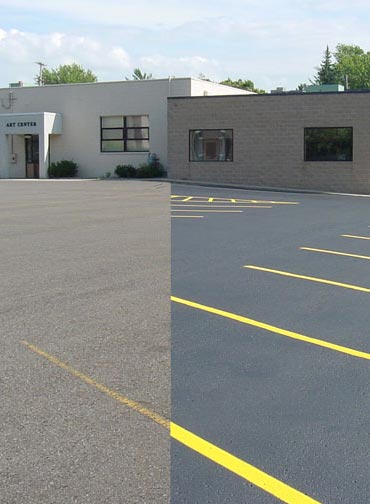
An image of a parking lot before and after sealcoating to help illustrate Commercial Parking Lot Paving and Benefits of Seal Coating AsphaltSealcoating is relatively inexpensive compared to full resurfacing or reconstruction. When applied on a proper schedule, it dramatically reduces the need for major repairs.

  • Acts like sunscreen for your asphalt surface
  • Protects your investment at a fraction of the replacement cost
  • Recommended every 2–3 years, depending on traffic and weather conditions

Think of it as preventative care for your driveway or parking lot.

When Should You Sealcoat Asphalt?

  • New pavement should be sealed after 6–12 months to allow for proper curing
  • Older pavement should be resealed every 2–3 years, or when it begins to look dry or faded
  • Avoid sealcoating in extreme heat, cold, or rain

It’s important to start sealcoating before major damage occurs—if you’re already seeing cracks, potholes, or raveling, additional repair steps will be needed first.

How Sealcoating Fits Into Asphalt Maintenance

Sealcoating is one of several tools in a good maintenance plan. Combined with crack filler, patching, and occasional resurfacing, it helps you avoid major reconstruction projects.

A well-rounded maintenance schedule might look like this:

  • Annually: Clean debris, inspect for damage, apply crack filler
  • Every 2–3 years: Apply a fresh asphalt sealer
  • Every 8–15 years: Consider resurfacing your parking lot or driveway if wear is significant

Stay proactive, and your pavement will reward you with long-lasting performance.

FAQs: What are the Benefits of Seal Coating Asphalt?

  1. Does sealcoating fix cracks or potholes?
    No. Sealcoating prevents damage, but any existing cracks or holes should be repaired first with crack filler or patching materials.
  2. Can I sealcoat asphalt myself?
    DIY sealcoating is possible but requires time, proper tools, and understanding of the process. For best results, professional application is recommended.
  3. How long does sealcoating take to dry?
    Most sealcoats dry to the touch within 4–8 hours but require 24–48 hours before vehicles can drive on them. Weather conditions can affect drying time.
  4. Will sealcoating make my surface slippery?
    Not if done correctly. Sealcoating actually improves traction by filling in small surface flaws and creating a uniform texture.
  5. What time of year is best for sealcoating?
    Late spring through early fall is ideal, when temperatures are consistently above 50°F and rain is less frequent.

Protect Your Asphalt the Smart Way

Whether you’re managing a parking lot or caring for your own driveway, regular asphalt sealing is one of the smartest ways to extend the life of your surface and keep it looking its best.

William Stanley & Sons Paving brings decades of experience to every project, helping homeowners and businesses maintain their asphalt with precision, care, and the right materials for long-term durability.

Ready to protect your pavement? Contact us today for a free estimate on professional sealcoating services.