
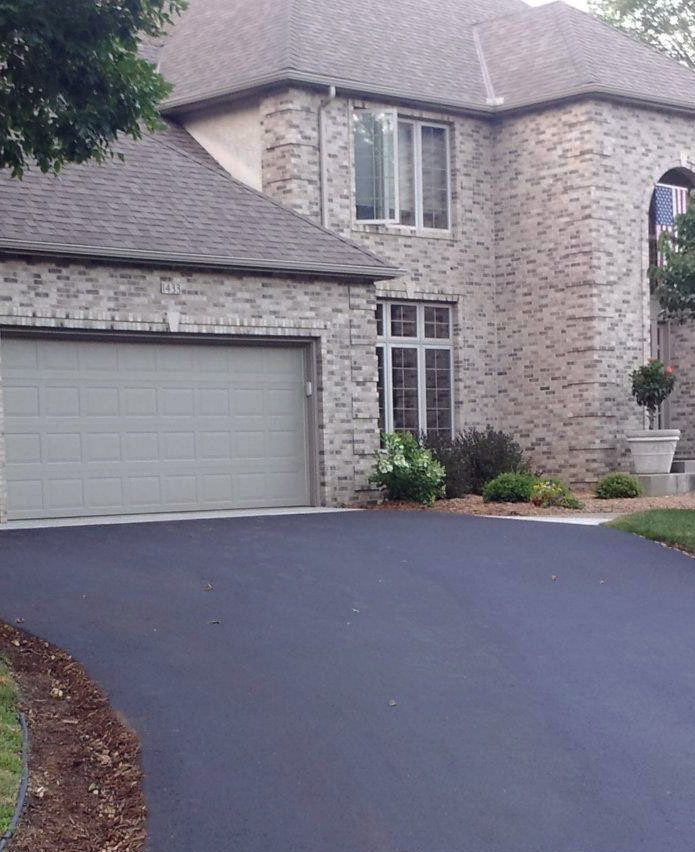
If you are planning a new driveway, parking lot, or commercial paving project, one of the first questions you will face is simple: asphalt vs concrete, which is better?
The answer depends on how the space is used, your budget, your long-term maintenance goals, and the climate where the surface will be installed.
Both materials have benefits, but they perform differently over time. Some property owners prioritize lower upfront costs. Others care more about appearance, repairs, or long-term durability.
The right choice comes down to understanding how each option works and which one fits your needs best.
What Is the Main Difference: Asphalt vs Concrete?
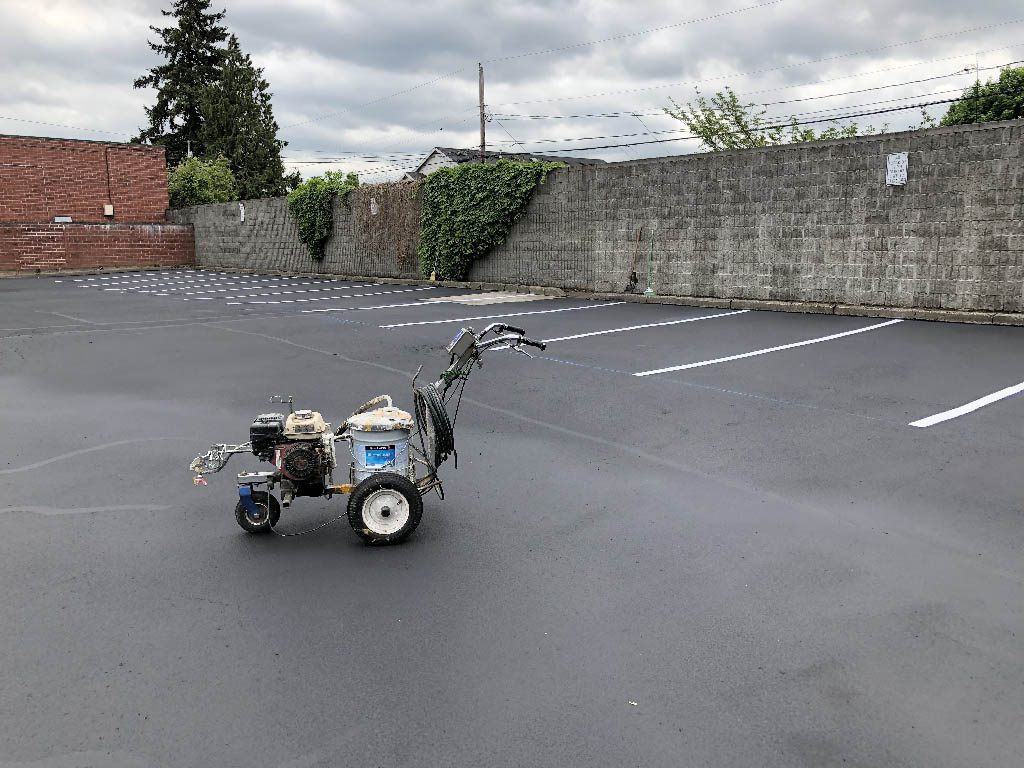 The biggest difference is how the two materials are made and how they perform.
Asphalt is made with aggregate materials like stone and sand mixed with liquid asphalt binder. It creates a flexible surface that handles movement and changing temperatures well.
Concrete is made from cement, water, sand, and aggregate. It cures into a rigid surface that is known for strength and a lighter finished appearance.
Because asphalt is more flexible and concrete is more rigid, they respond differently to weather, traffic, and wear over time.
Asphalt vs Concrete: Which Option Costs Less?
For most projects, asphalt has a lower upfront installation cost. This makes it a popular choice for driveways, parking lots, and larger commercial surfaces where budget matters. Installation is also typically faster, which helps reduce downtime for businesses.
Concrete usually costs more at the beginning because materials and labor are more expensive. However, some property owners choose it for its appearance or because they want a surface that may last longer under certain conditions.
If immediate budget is the top concern, asphalt is often the more practical choice.
Asphalt vs Concrete: Which Lasts Longer?
Concrete often has a longer potential lifespan, but that does not automatically make it the better investment.
A well-installed concrete surface may last longer with minimal structural changes, but repairs can be more difficult and more expensive.
Asphalt may require more routine maintenance, such as sealcoating and periodic resurfacing, but repairs are generally simpler and more affordable. With proper care, asphalt can provide excellent long-term performance.
The better question is not only how long it lasts, but how easy and cost-effective it is to maintain over time.
Which Performs Better in Oregon Weather?
In the Portland area and throughout the Pacific Northwest, weather matters.
Frequent rain, moisture, and seasonal temperature changes put stress on paved surfaces. Asphalt performs well in these conditions because its flexibility helps it expand and contract with less risk of cracking.
Concrete can be more vulnerable to cracking when temperatures shift or moisture gets into small surface openings and freezes.
Drainage also plays a major role. No matter which material you choose, proper grading and installation are critical for long-term success.
For many local properties, asphalt offers a strong balance of durability and weather performance.
Which Is Easier to Maintain?
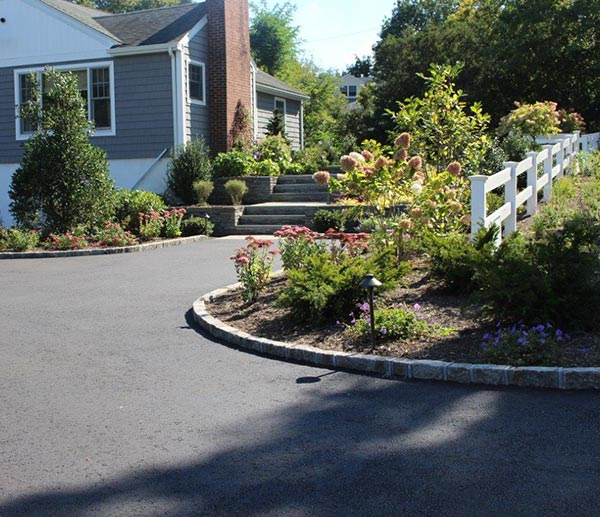 Asphalt usually wins when it comes to easier maintenance.
Small cracks can often be repaired quickly, and resurfacing can extend the life of the pavement without full replacement. Sealcoating also helps protect the surface from moisture, UV exposure, and wear.
Concrete may require less frequent maintenance at first, but when damage happens, repairs are often more noticeable and more expensive. Matching older concrete can also be difficult.
For property owners who want practical maintenance and simpler repairs, asphalt is often the easier choice.
What About Appearance and Curb Appeal?
Concrete has a lighter, brighter appearance and is sometimes chosen for decorative reasons. Some homeowners prefer the clean visual look, especially for patios or high-end residential projects. Decorative finishes and color options can also change the appearance.
Asphalt offers a smooth, clean black finish that looks professional and polished. It creates strong visual contrast with landscaping, curbs, and building entrances, which works especially well for parking lots and commercial spaces.
Curb appeal depends on the property, but both materials can look excellent when installed correctly.
Which Is Better for Commercial Properties?
For most commercial paving projects, asphalt is the more practical option. Parking lots, access roads, and high-traffic surfaces benefit from asphalt’s faster installation, easier repairs, and lower overall maintenance costs. Businesses also appreciate reduced downtime during installation and resurfacing.
Concrete may make sense for certain specialty areas, but for most commercial properties, asphalt provides better long-term flexibility and value.
That is why so many businesses choose asphalt for parking lots and heavy-use paved surfaces.
So Which One Should You Choose?
If you want lower upfront cost, faster installation, easier repairs, and strong performance in Oregon weather, asphalt is often the better choice.
If appearance is the top priority and you are comfortable with a higher initial investment, concrete may be worth considering for certain projects.
For many homeowners and business owners, asphalt offers the best overall balance of value, durability, and long-term practicality. The right answer depends on your property, your goals, and how the surface will be used every day.
FAQs About Asphalt vs Concrete
Is asphalt cheaper than concrete?
Yes. In most cases, asphalt has a lower installation cost than concrete, especially for larger driveways and parking lots.
Does asphalt need more maintenance than concrete?
Usually, yes. Asphalt benefits from sealcoating and occasional resurfacing, but those services are often more affordable than major concrete repairs.
Which surface handles heavy traffic better?
Both can handle traffic well when installed properly, but asphalt is often preferred for commercial parking lots because repairs are faster and less disruptive.
Does concrete crack more than asphalt?
Concrete can be more prone to visible cracking because it is a rigid material. Asphalt is more flexible and better able to handle movement from weather and use.
Is asphalt better for rainy climates like Oregon?
For many properties, yes. Asphalt performs well in wet climates because it handles temperature changes and moisture movement more effectively when properly installed and maintained.
Need Help Choosing the Right Surface?
Every property is different, and the best paving choice depends on how the space is used, your budget, and your long-term plans.
If you are comparing options for a driveway, parking lot, or commercial paving project, William Stanley & Sons Paving can help you make the right decision. With more than 30 years of experience serving Portland and surrounding areas, our team focuses on honest guidance, quality work, and solutions built to last.
Reach out for a free estimate and a straightforward conversation about what works best for your property.