
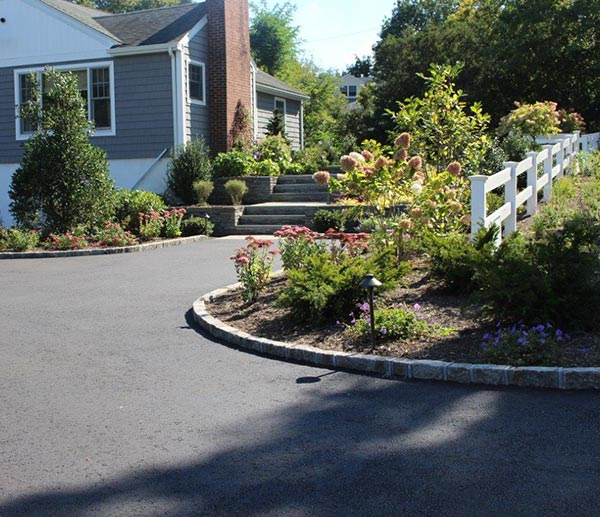
A Guide to Residential Asphalt Paving for Homeowners
Property owners often focus on the house itself. But pathways, lanes, and entryways leading to your home play a huge role in how your property functions. Professional residential asphalt paving ensures a smooth surface every day. This keeps mud away from your living spaces and ensures safe travel for vehicles.
You might manage a large residential estate with farm lanes. Or you might have a townhome complex with a shared parking lot. Even for a standard home, understanding residential asphalt paving is essential.
What Does Residential Asphalt Paving Include?
Residential asphalt paving covers a wide variety of home projects. A high-quality installation handles everything from a simple front entryway to complex private road systems shared by multiple neighbors.
Our crews regularly handle large residential projects. These include private roads, country lanes, and small apartment parking lot structures. We also pave backyard basketball courts, walking paths, and large pads for parking heavy motorhomes or trailers. The primary goal remains the same. You need a clean, stable surface. It must keep mud away from your home and prevent water from pooling on your land.
The Core Process of Quality Residential Asphalt Paving
A long-lasting surface depends on the steps taken first. True residential asphalt paving is a detailed construction process. It requires the right equipment, proper grading, and patience.
First, the crew clears out soft topsoil or failing material. Next comes the most critical step. We build a solid rock foundation. We install rock and use rollers to compact it. It must become as hard as stone.
Finally, we apply commercial-grade hot asphalt over the base. We pack it down firmly to create a dense, weather-resistant surface. This precise process ensures your investment stands up to heavy vehicles without sinking or shifting.
Why Routine Upkeep is Highly Cost-Effective
You do not always have to replace your entire pavement to keep your property looking great. If your asphalt is sound but faded, regular maintenance is the more affordable option.
Applying a professional liquid sealer every few years creates a strong shield over your pavement. This liquid layer fills in small cracks. It keeps water from seeping down into your rock foundation. When water gets under the pavement during cold winter months, it freezes and expands. This is exactly how large potholes form. Catching these minor defects early with crack filling and sealcoating keeps your pavement in great shape.
Frequently Asked Questions About Residential Asphalt Paving
What makes residential asphalt paving different from commercial projects?
Residential paving focuses mainly on lighter vehicle traffic like family cars, SUVs, and delivery vans. Commercial projects, such as a major retail parking lot, require much thicker layers of rock and asphalt. They support heavy trucks, garbage collectors, and continuous daily traffic.
Can you apply fresh asphalt paving over an old, cracked surface?
We only recommend an overlay if the underlying foundation is completely solid. If your old pavement has deep cracks or sunken areas, laying new material over it will fail quickly. The old cracks will reflect right up through the new layer within a year or two.
How do weather patterns affect residential asphalt paving?
Hot-mix asphalt must be laid down when the weather is warm and the ground is completely dry. If rain gets into the mix, it cools the material too fast and ruins the bond. In our region, the main paving season runs from late spring through early autumn.
How thick should the asphalt layer be for standard residential projects?
For standard home pathways and light-use driveways, we install two inches of compacted hot asphalt over a four-to-six-inch crushed rock base. For shared neighborhood roads or farm lanes that see heavy service trucks, we recommend a thicker three-inch asphalt layer.
Why is water drainage so important for home asphalt surfaces?
Standing water is the number one enemy of asphalt pavement. If a road or path is completely flat, rain will pool on the surface and slowly seep through the pores. We always build a slight slope or crown into our projects so water sheds off into nearby ditches.
How soon can we walk and drive on the new asphalt pavement?
You can walk on the fresh surface almost immediately after the heavy rollers finish compacting it. However, you should keep all motorized vehicles off the new pavement for at least twenty-four to forty-eight hours to allow the hot material to cool and harden completely.
How long should a high-quality residential asphalt project last?
With a solid rock foundation and proper water drainage, a professionally installed residential surface will easily last between twenty and twenty-five years. Keeping up with regular sealcoating every few years will help you get the longest life out of your investment.
Connect With Your Local Asphalt Experts
Keep your property looking beautiful and functioning perfectly with professional, reliable pavement. When you are ready to upgrade your land, turn to William Stanley & Sons Paving. As a third-generation family business with more than 30 years of local experience, we take pride in delivering honest craftsmanship and dependable service across the greater Portland area.
Contact our team at William Stanley & Sons Paving today to schedule your complimentary on-site consultation and receive a clear, straightforward estimate for your residential asphalt paving project.

