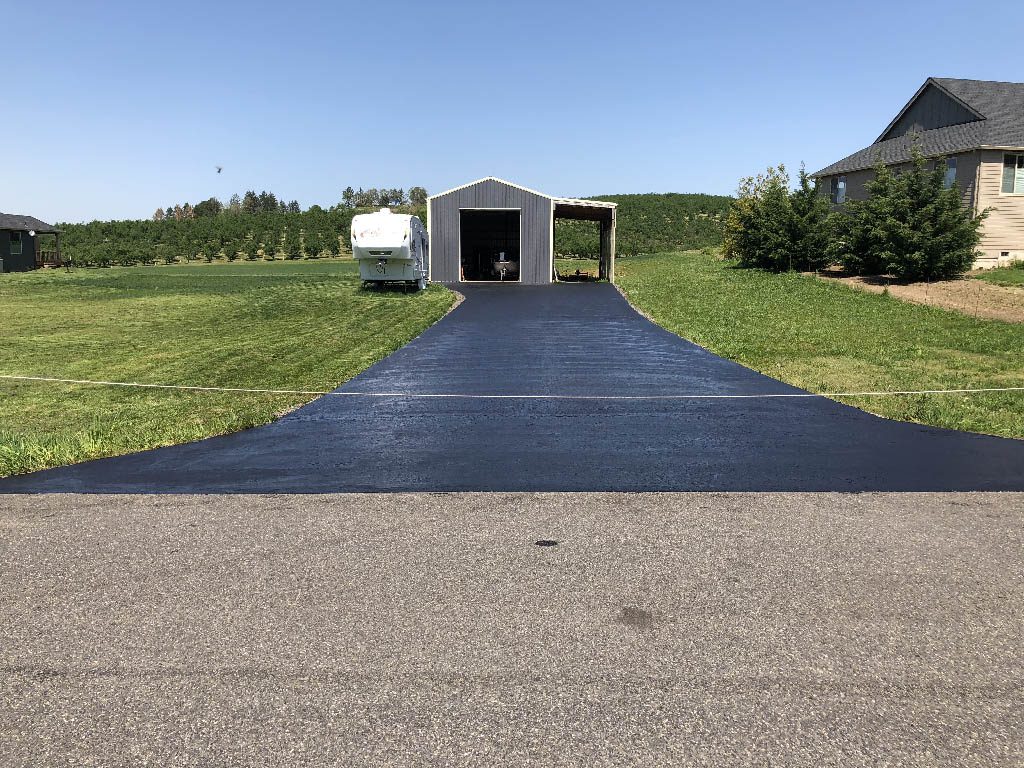

If you care about the environment and need a new driveway or parking lot, you may be wondering whether asphalt is a responsible choice. The short answer is yes, because sustainable asphalt is made with recycled material, takes less fuel to produce, and lasts for decades when it’s built and cared for the right way.
Here’s what makes asphalt sustainable, how recycled material compares to all-new raw material, and what you can do to get the most eco-friendly results from your project. If you’re also curious about options like porous pavement, our guide to green paving in Portland covers those in more detail.
What Is Sustainable Asphalt?
Sustainable asphalt is pavement that’s made, installed, and maintained in ways that reduce waste, energy use, and the need for new raw material. It isn’t a special product you have to hunt for, since it mostly comes down to a few proven practices that good asphalt plants and contractors already follow:
- Using recycled material, such as ground-up old pavement, in the new mix.
- Producing the mix at lower temperatures so the plant burns less fuel.
- Building it to last with a solid base and proper compaction.
- Keeping it in good shape so it doesn’t need to be replaced early.
What Is Asphalt Made Of?
Asphalt is mostly rock, with about 95 percent of the mix made up of crushed stone, gravel, and sand, while the remaining 5 percent or so is a sticky binder that holds everything together. Both ingredients are raw materials that have to be mined or refined, which is exactly why reusing them makes such a big difference.
How Does Recycled Material Replace Raw Material?
When old asphalt is torn out during asphalt removal, it’s hauled to a plant, crushed, and blended back into a fresh mix, which the industry calls reclaimed asphalt pavement, or RAP. Because that old pavement still contains both rock and binder, every ton of RAP means less new raw material has to be mined, refined, and trucked in.
How Much Raw Material Does Recycling Save?
According to the Asphalt Pavement Industry Survey on Recycled Materials and Warm-Mix Asphalt Usage: 2024 from the National Asphalt Pavement Association (NAPA) and the Federal Highway Administration, producers used 101.4 million tons of reclaimed asphalt in new mixes during the 2024 paving season. That recycled material took the place of about 5.1 million tons of new binder and more than 96 million tons of new stone and sand, saving an estimated $4.7 billion and keeping roughly 72.5 million cubic yards of material out of landfills.
Does Recycled Asphalt Hold Up?
It does, as long as it’s mixed and placed correctly, because plants test recycled blends to the same standards as all-new mixes, and the average mix in 2024 contained about 23 percent recycled material, according to the same survey. What matters most is the work on site, and our guide to the asphalt paving process step by step shows what a well-built job looks like.
Is a Recycled Asphalt Driveway the Same as a Paved One?
Not quite, and this trips up a lot of homeowners. A “recycled asphalt driveway” usually means loose, ground-up asphalt that’s spread and packed down like gravel, which is inexpensive but tends to rut, shift, and wash out over time. A paved asphalt driveway made with recycled content gives you the same environmental benefit along with a smooth, sealed surface that lasts far longer.
How Does Warm Mix Make Asphalt More Sustainable?
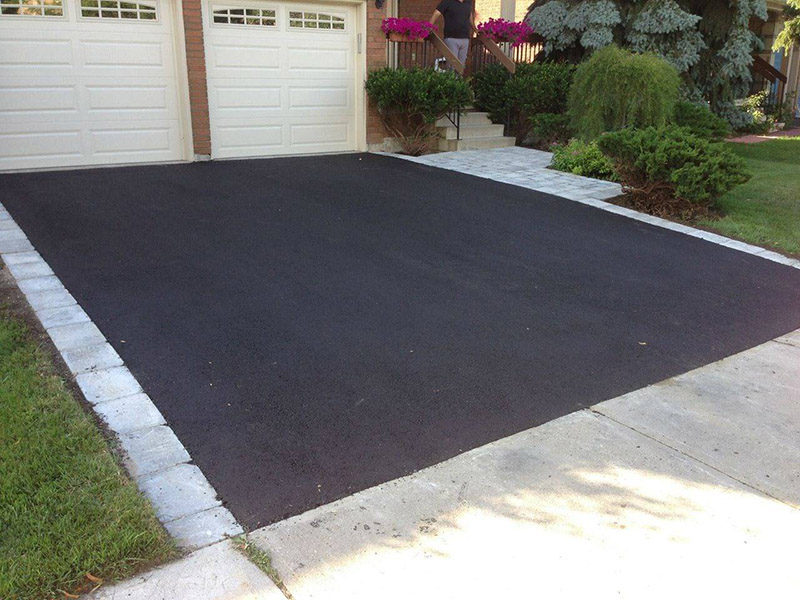
Traditional hot mix asphalt is produced at very high temperatures, which takes a lot of fuel, while warm mix asphalt uses additives or special methods that let the plant produce and place the mix at lower temperatures with less energy and fewer fumes. The NAPA survey found that warm mix made up about 40 percent of all U.S. asphalt production in 2024.
Warm mix also stays workable longer, which helps crews compact it tightly on cool, damp Oregon days and is a big part of why we can pave through more of the year.
Why Long-Lasting Asphalt Is the Most Sustainable Choice
The greenest pavement is the one you don’t have to replace, since every extra year your asphalt lasts means less new material, fewer truck trips, and less waste. That’s why the way your pavement is built and cared for matters just as much as what goes into the mix.
Start With a Solid Base
Most early failures start below the surface, where a weak or poorly drained base allows the asphalt to crack and sink. Our post on a good asphalt paving job vs. a bad one explains what to watch for before you hire anyone.
Keep Up With Maintenance
Regular care keeps your asphalt in great shape for years, because sealcoating protects the surface from sun, rain, and oil, while fixing driveway cracks early and getting quick asphalt repair keep water from getting underneath and turning into potholes.
Resurface Instead of Replacing
If the base is still solid, asphalt resurfacing adds a fresh top layer without tearing everything out, which saves money and uses far less raw material than a full replacement.
Frequently Asked Questions About Sustainable Asphalt
Is asphalt environmentally friendly?
It’s more eco-friendly than many people think, since asphalt is one of the most recycled products in the country, nearly all old asphalt gets reused, and newer methods like warm mix reduce fuel use during production.
Is asphalt 100 percent recyclable?
Yes, old asphalt can be crushed and reused in new pavement again and again, because both the rock and the binder still do their job after recycling.
Does sustainable asphalt cost more?
Usually not, because mixes with recycled material often cost the same as or less than all-new mixes, since the plant buys less new raw material.
How long does sustainable asphalt last?
With a solid base and regular maintenance, it should last as long as any asphalt, which is usually 15 to 25 years for driveways and parking lots.
Can I ask for recycled material in my driveway?
You can ask, although most local plants already blend recycled material into their standard mixes, and your contractor can tell you what’s in the mix they plan to use.
Ready for Pavement That Lasts?
William Stanley & Sons Paving has served Portland, Gresham, Lake Oswego, West Linn, Tigard, Hillsboro, Vancouver, WA, and nearby communities for more than 30 years. As a third-generation family business, we’ll give you honest advice on building asphalt that’s good for your property and easier on the planet, whether you need a new driveway or commercial parking lot paving.
Call us at 503-243-1274 or request a free estimate today.